The most powerful styling team in fashion right now does not work for a magazine or a luxury house. It works in girl groups. In 2026 the members of pop's biggest acts have quietly become the people who decide what a generation wears, and the brands have noticed. By some estimates K-pop alone now shapes more than thirty percent of global luxury retail trends, which is a polite way of saying the idols are driving and everyone else is following.
From stage costume to street uniform
What changed is that the looks no longer stay on the stage. A concept that debuts in a music video on Friday is on teenagers in five countries by Monday, and sold out somewhere in between. Girl group members sell products within hours and turn obscure references into mass movements, which is why the title of brand ambassador has stopped being a vanity credit and started being the engine of a season. The clothes are the marketing, and the marketing is the clothes.
The looks defining the year
The aesthetic itself has gotten sharper and stranger. One dominant mood is liquid metallic, a cyber-noir obsession with chrome, silver, and iridescent fabric worn almost head to toe, clothing that looks poured rather than sewn. Alongside it sits the balloon silhouette, a precise way of wearing volume where trousers cinch at the waist, blow out at the hips and knees, then nip in again at the ankle. It is exaggerated on purpose, and it photographs like nothing else.
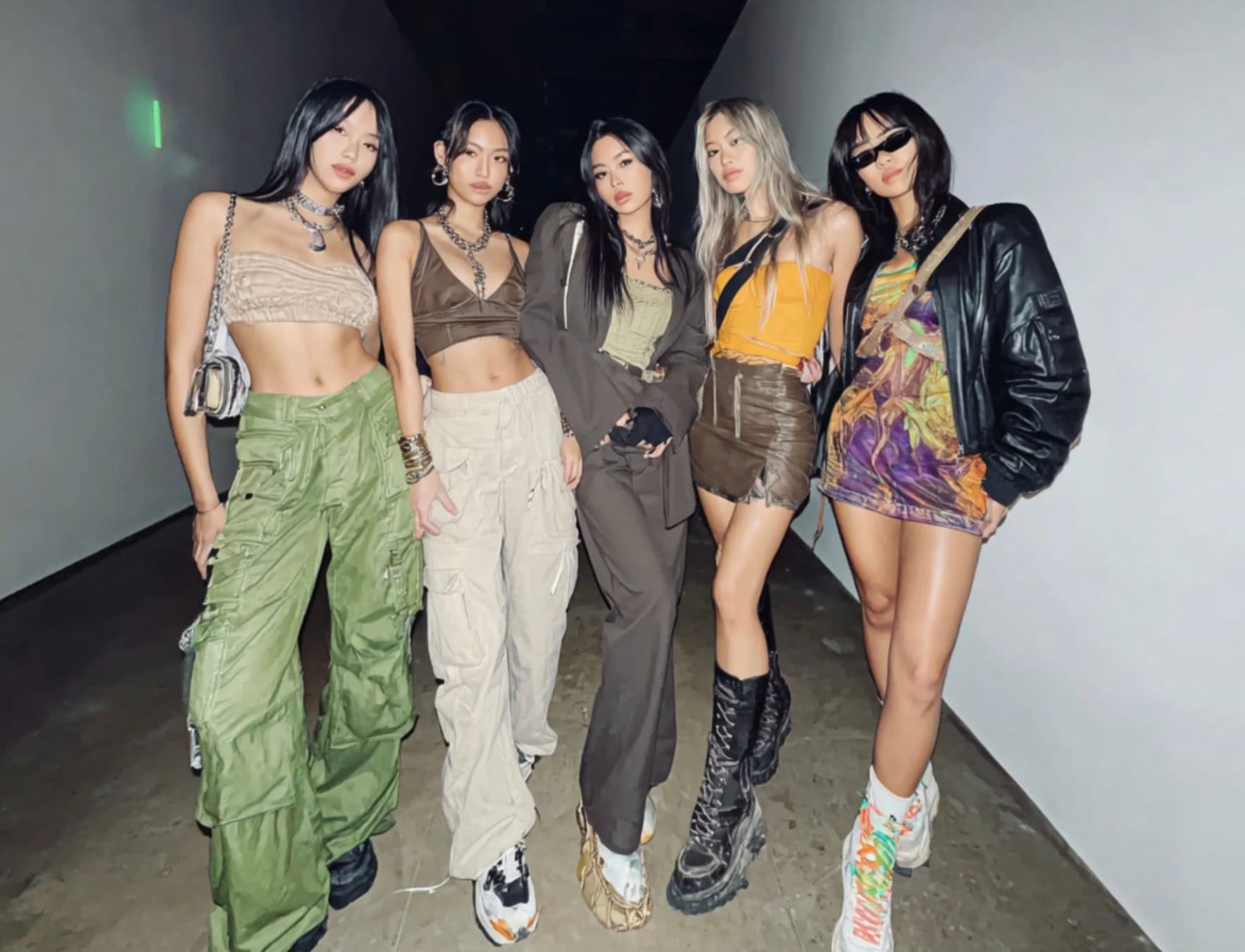
The street side is just as deliberate. Raw, dark, unwashed brut denim has become the clean base layer, often worn denim on denim, while harness bags and tech belts borrowed from gaming culture give the whole thing a tactical, hero-ready edge. Layered over it all is Acubi, the Seoul-born streetwear language of oversized silhouettes and muted, careful layering that reads as quiet cool rather than loud logo.
Why luxury keeps calling
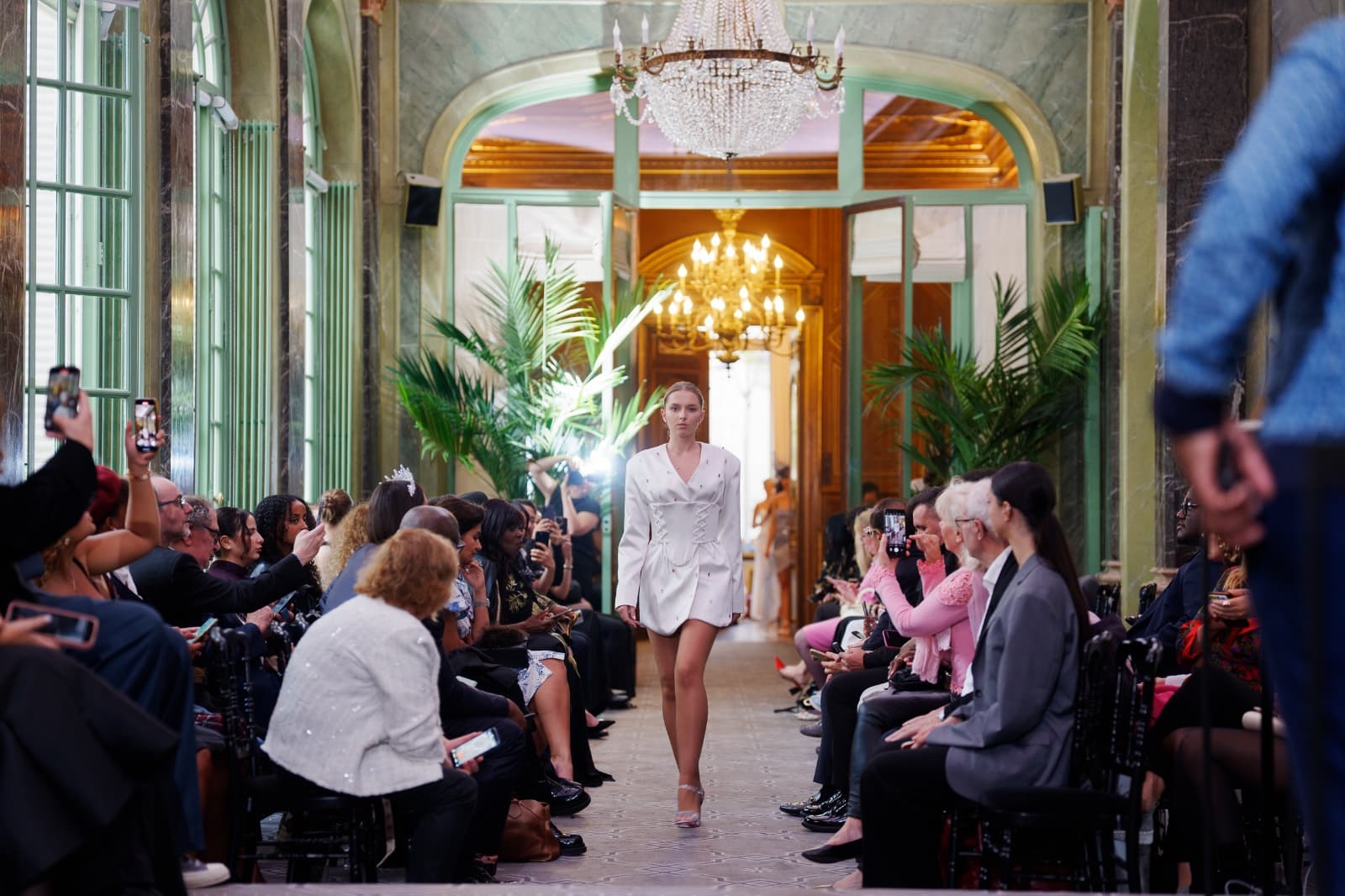
None of this is happening in a vacuum. Houses like Dior and Louis Vuitton have kept their idol ties tight precisely because the reach is unmatched, and searches for Korean fashion spiked in both the UK and the US this year around K-pop appearances at the major fashion weeks. The relationship has flipped. The runway used to dictate to pop. Now pop walks into the front row and the runway takes notes.
The bigger shift
The real story is about where cultural authority now lives. For decades the gatekeepers of taste were editors and designers. Today a five-member group can move more product with one airport photo than a campaign shot by anyone. That is not a fad, it is a structural change in who gets to say what is cool, and girl groups are at the center of it. The new era of pop fashion is not coming. It already arrived, and it is wearing chrome.