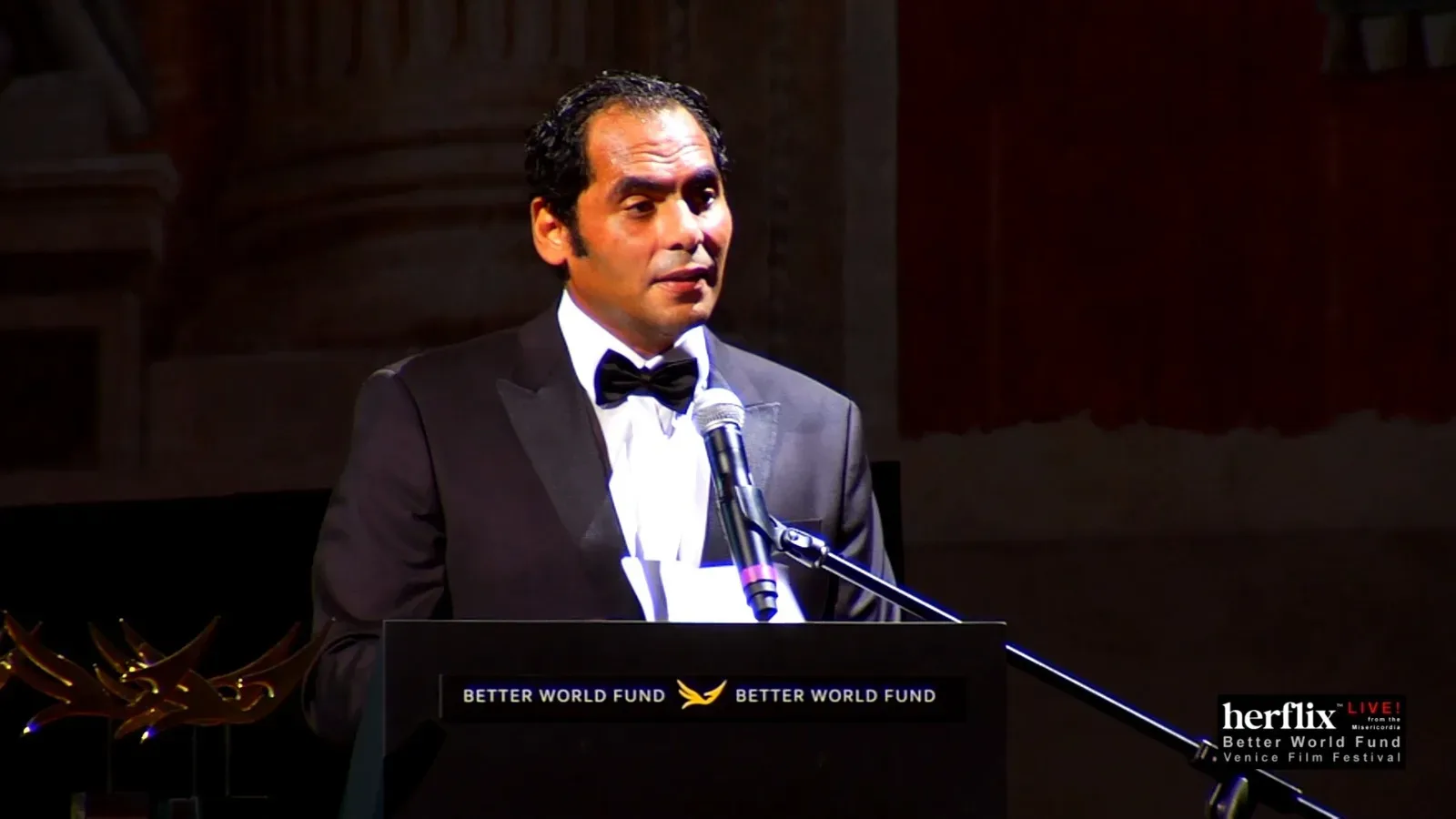
There will be gowns. There will be photographers. There may well be the sort of entrance that makes everyone in a ballroom turn around. Yet the most compelling person in the story of Hope Giver Egypt 2026 is not a royal guest or a film star.  It is Anwar Elkamony, the Egyptian tennis player who survived a life-threatening illness, underwent a bone marrow transplant and returned to the sport he loved. Now he is preparing to bring a seven-day series of international gatherings to Cairo in December. The spectacle is obvious. The reason for it is more surprising.
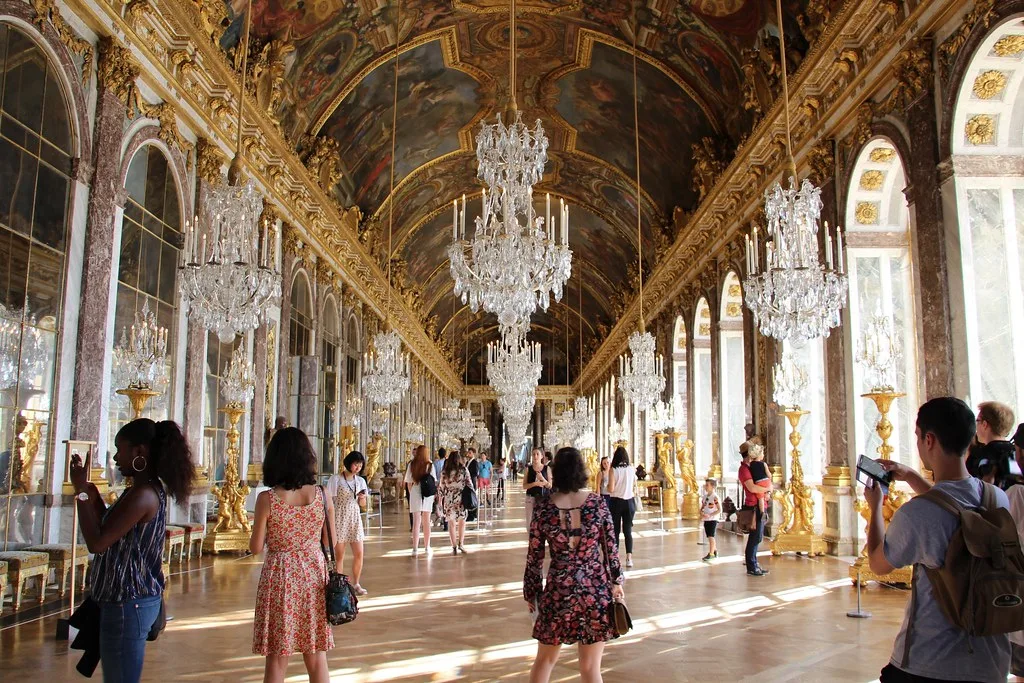
 The expanded programme opens on 6 December with a public marathon at the Pyramids of Giza, followed by Patient Advocacy Day on 7 December, supported by Sanofi, and university masterclasses on 8 December. That evening, Grand Ball – Friends of Versailles is scheduled at The Nile Ritz-Carlton for an estimated 600–800 guests.
 The International Fashion Show follows at the Grand Egyptian Museum on 9 December, with 200–250 guests expected. On 10 December, Abdeen Palace is set to host the Royal Gentlemen Event & International Congress Awards for approximately 250–300 guests.
 On 11 December, a women’s empowerment forum at the National Museum of Egyptian Civilization precedes the closing ceremony at the Pyramids of Giza, for which organisers project 20,000 attendees. The week concludes on 12 December with a newly announced ultra-luxury experience featuring helicopters, Ferrari supercars and an exclusive programme at Abdeen Palace, organised by Hope Giver in collaboration with an international company. The 12 December event replaces the cancelled Food Awards; further arrangements have yet to be announced.
If that sounds like an improbable itinerary for a former patient, perhaps that is the point. A serious medical crisis can strip life of its familiar routines and expectations. Elkamony's public story is about recovering agency and finding a use for the attention his comeback attracted. The initiative does not claim that music, fashion or a gala can cure illness. It argues that influential people can help mobilise resources and make those facing hardship less invisible.