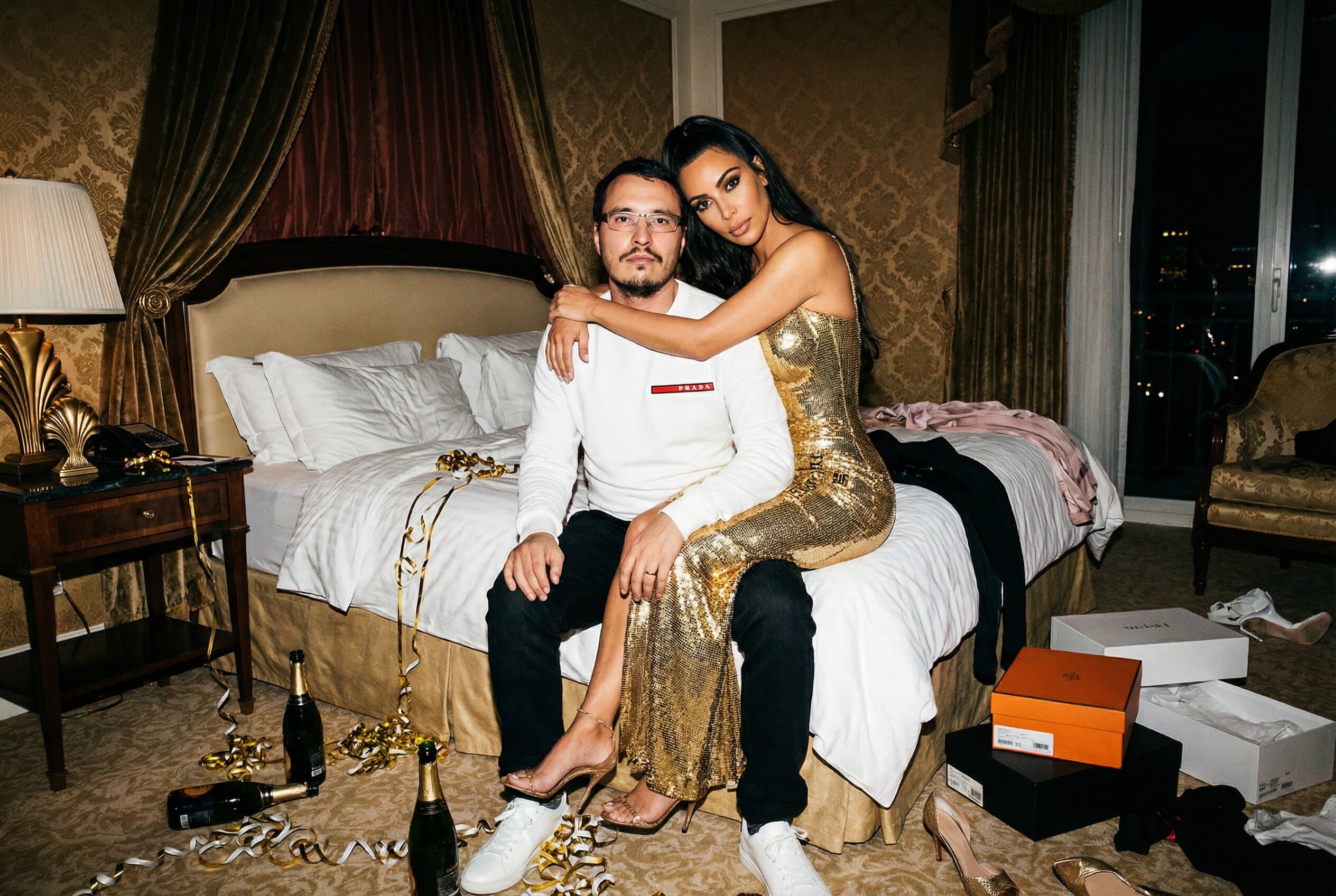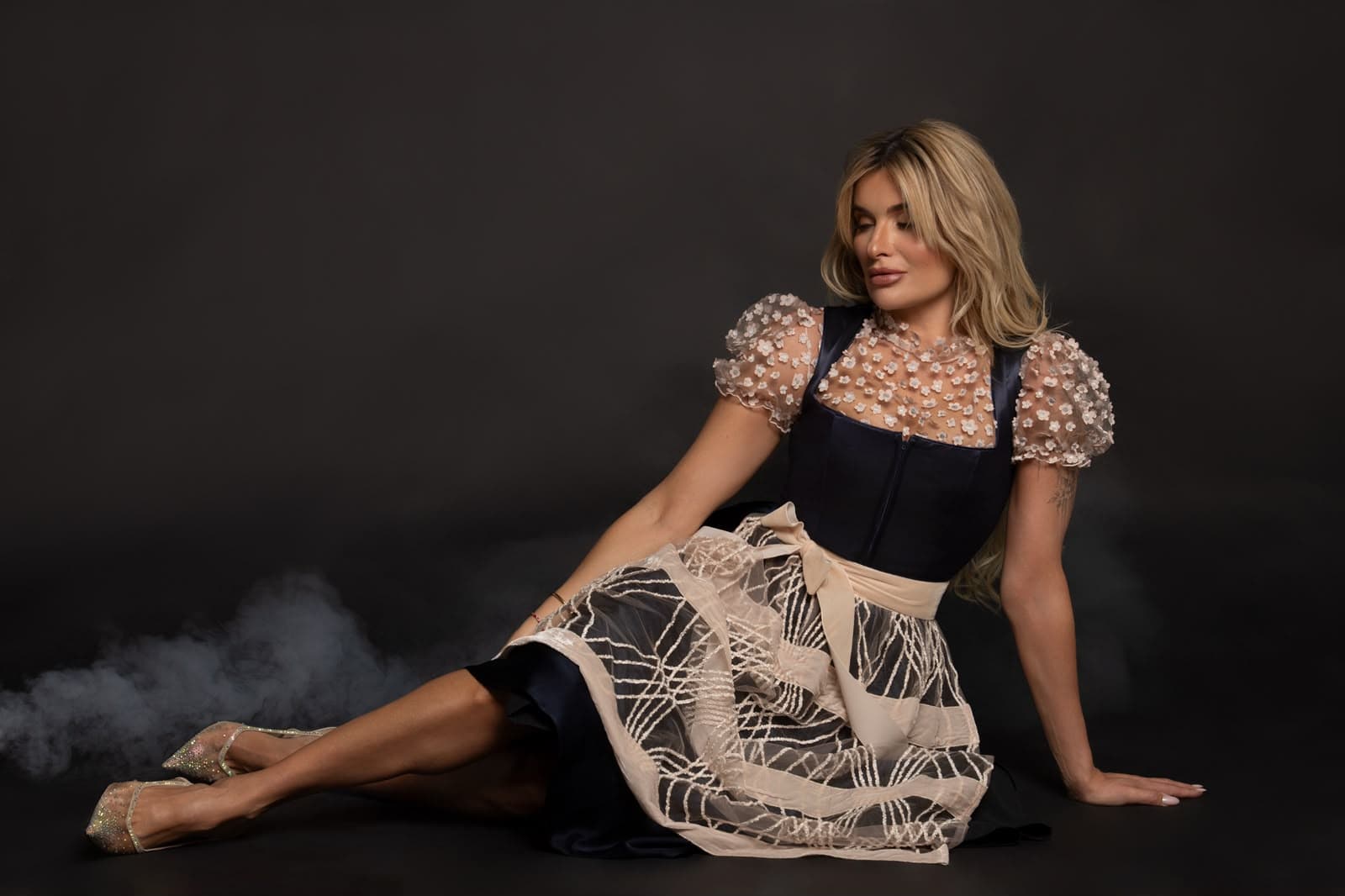
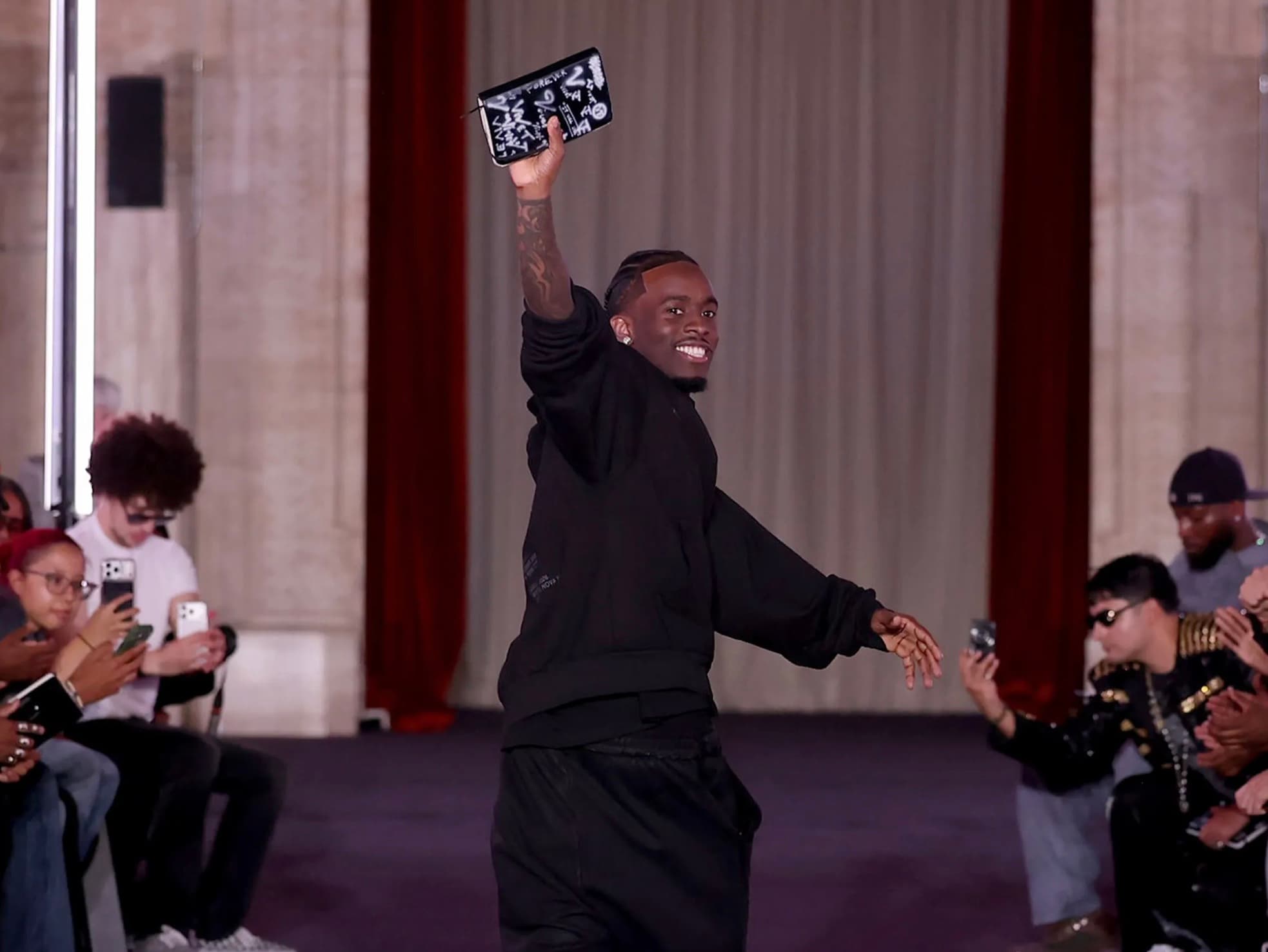
A runway finale used to end the moment the last model left the stage. Increasingly, that is where the real work begins. Fashion brands are asking themselves a question that would have sounded strange five years ago, whether they need an actual clipping strategy, a deliberate system for turning a show, a campaign, or a single theatrical moment into dozens of short clips built specifically to spread.
What clipping actually means
Clipping is not just posting a highlight reel. It is a performance based marketing approach where brands hire clippers, editors whose job is cutting existing footage into short form pieces for TikTok, Instagram Reels, and YouTube Shorts, often paid on a cost per thousand views basis tied to how far each clip actually travels. Agencies say brands only started calling them about this in earnest six to eight months ago, chasing the same mechanics that have powered individual creators and streamers for years.
Why fashion is a natural fit
Clipping works best when there is already strong source material to cut up, and a runway show hands a brand exactly that, dozens of individually shareable moments inside one event, a dramatic entrance, a surprising finale, a single outfit built to stop a scroll. Gucci did not need a formal clipping operation to get the GucciModelChallenge moving, the brand's own editorial aesthetic was distinct enough that people recreated it in their own clothes and flooded the platform with organic videos on their own. Avavav took the opposite approach deliberately, building theatrical, stunt driven shows explicitly designed to be clipped and shared, treating the runway itself as raw footage for a dozen future videos rather than a one time event for the people in the room.