
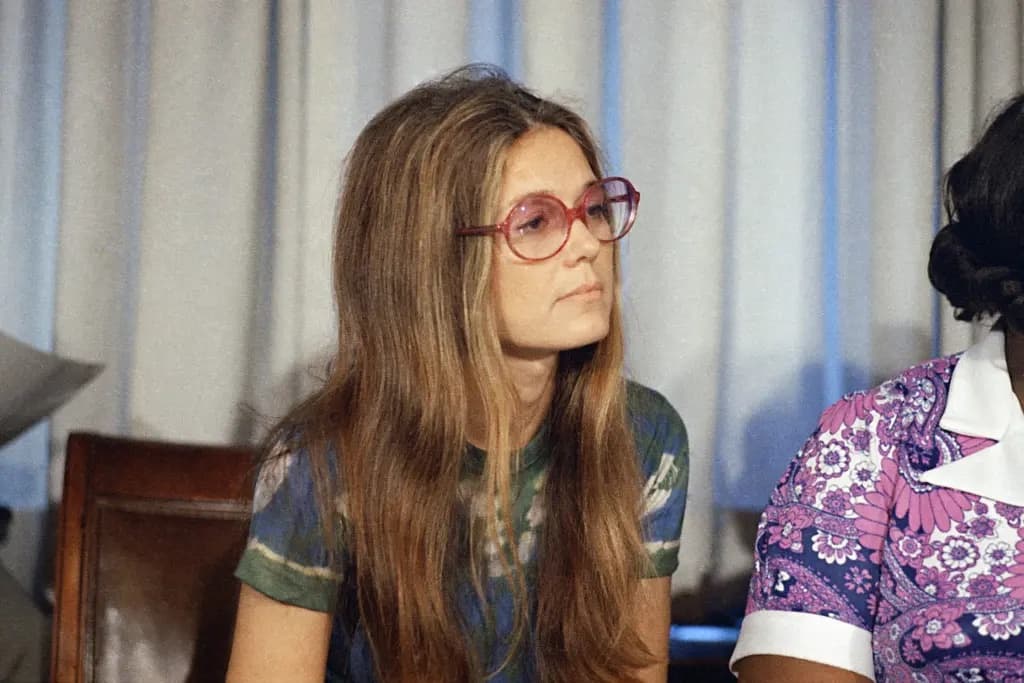
Gloria Steinem, the writer and organizer who became one of the most recognized faces of American feminism, died at her home in New York City this week at 92. Her death closes out a public career that spanned more than six decades and helped reshape how the country talked about women's rights, work, and politics.
From undercover reporter to movement leader
Steinem's rise to public attention began not with activism but with a piece of daring magazine journalism. In 1963, she went undercover as a waitress at a Playboy Club and turned the experience into A Bunny's Tale, an expose that pulled back the curtain on the working conditions behind Hugh Hefner's glossy brand. The assignment made her a public figure years before she became a full time organizer, and it set a template she would return to throughout her career, using firsthand reporting to make an abstract argument impossible to ignore.
Building the institutions of a movement
Steinem spent the early 1970s helping build the infrastructure that gave second wave feminism its staying power. In 1971 she helped found the National Women's Political Caucus alongside Betty Friedan, Bella Abzug, and Shirley Chisholm, an organization built to get more women elected to office rather than simply argue for their rights from the outside. A year later she co-founded Ms. magazine with Letty Cottin Pogrebin and Patricia Carbine, a publication built and written by women for women at a time when most mainstream titles treated female readers as an afterthought. The test issue sold 300,000 copies in eight days, proof that the audience Steinem believed in had simply been waiting for someone to speak to it directly.