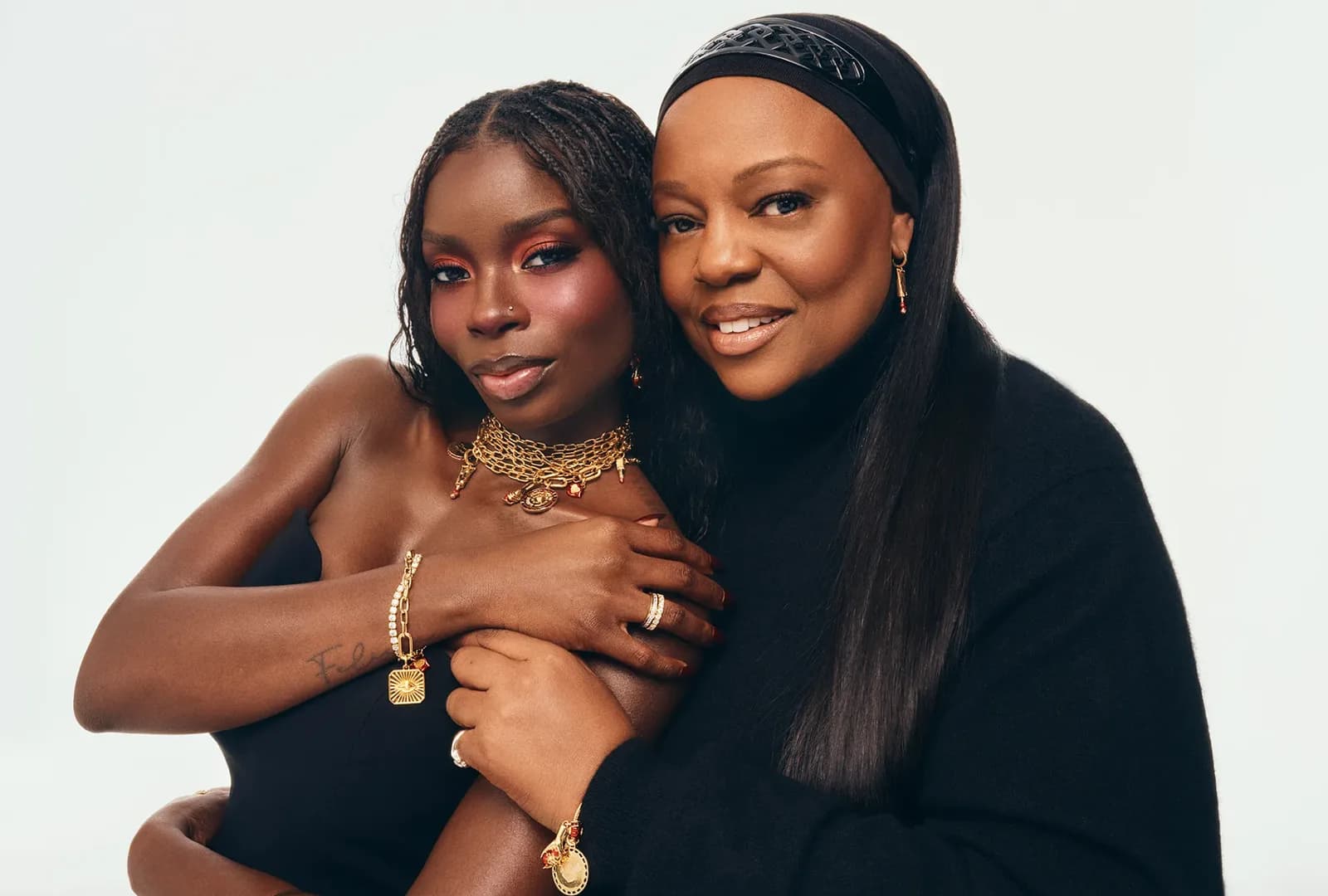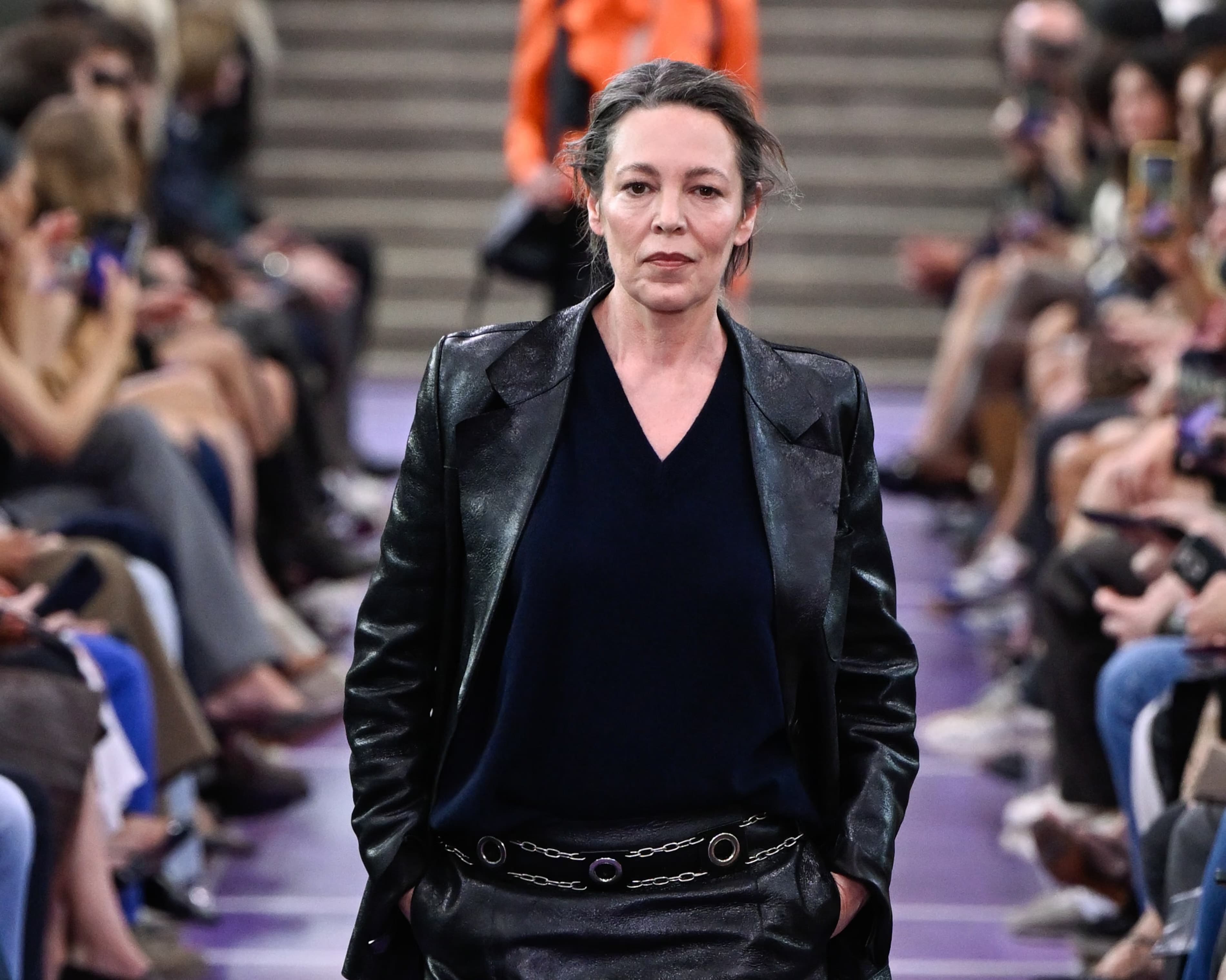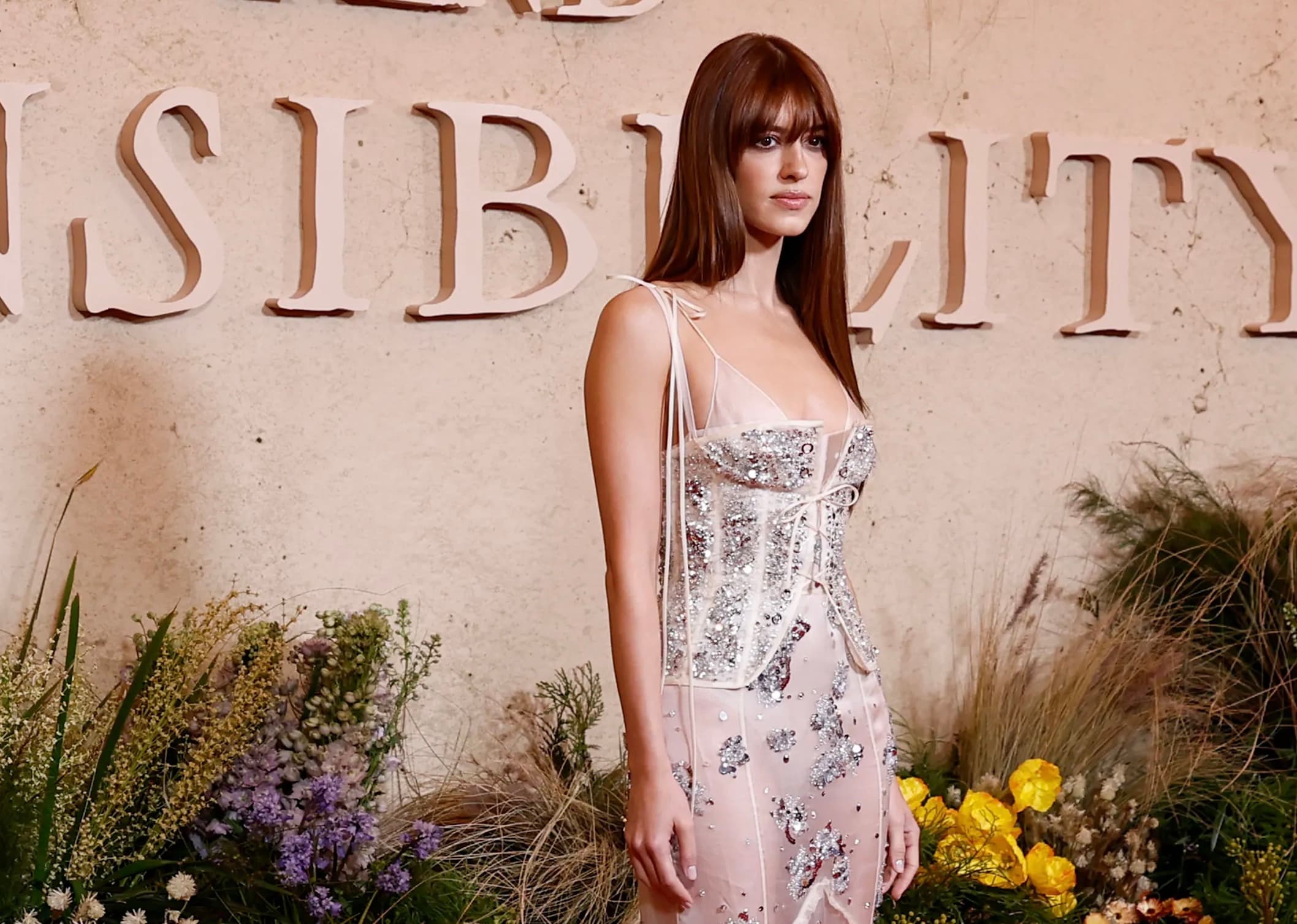

Guerlain is not replacing L'Heure Bleue, it is doubling it. On August 28, the house launches a new L'Heure Bleue Eau de Parfum built around the same idea that inspired the original 1912 fragrance, the fleeting blue light of dusk, while keeping the historic formula on shelves under a new name, L'Heure Bleue 1912. Both versions will exist side by side rather than one replacing the other.
A reinterpretation, not a reformulation
Delphine Jelk, Guerlain's perfumer and fragrance creation director, has been clear that the goal was never to recreate the 1912 composition with modern materials. Her approach treats the blue hour less as a fixed scent to be preserved and more as a recurring source of inspiration, a natural phenomenon that can be reinterpreted every time a perfumer returns to it. The 2026 version leans into that idea with a noticeably different structure than its predecessor, built around an ozonic accord, velvety iris, orange blossom, vanilla, and Ambroxan. Iris and vanilla nod back to the original, while the ozonic accord and Ambroxan push the fragrance toward something airier and more contemporary.
Why keep the old version around
Splitting the name into two distinct fragrances, rather than quietly discontinuing or reformulating the original, is a deliberate hedge. Perfume purists who have worn L'Heure Bleue for decades keep their fragrance untouched under the 1912 label, while Guerlain gets a clean shot at a newer, younger customer with a scent built for how people actually want to smell in 2026. It is a lower risk way to modernize a legacy name than simply changing the formula inside the existing bottle and hoping loyalists do not notice or object.