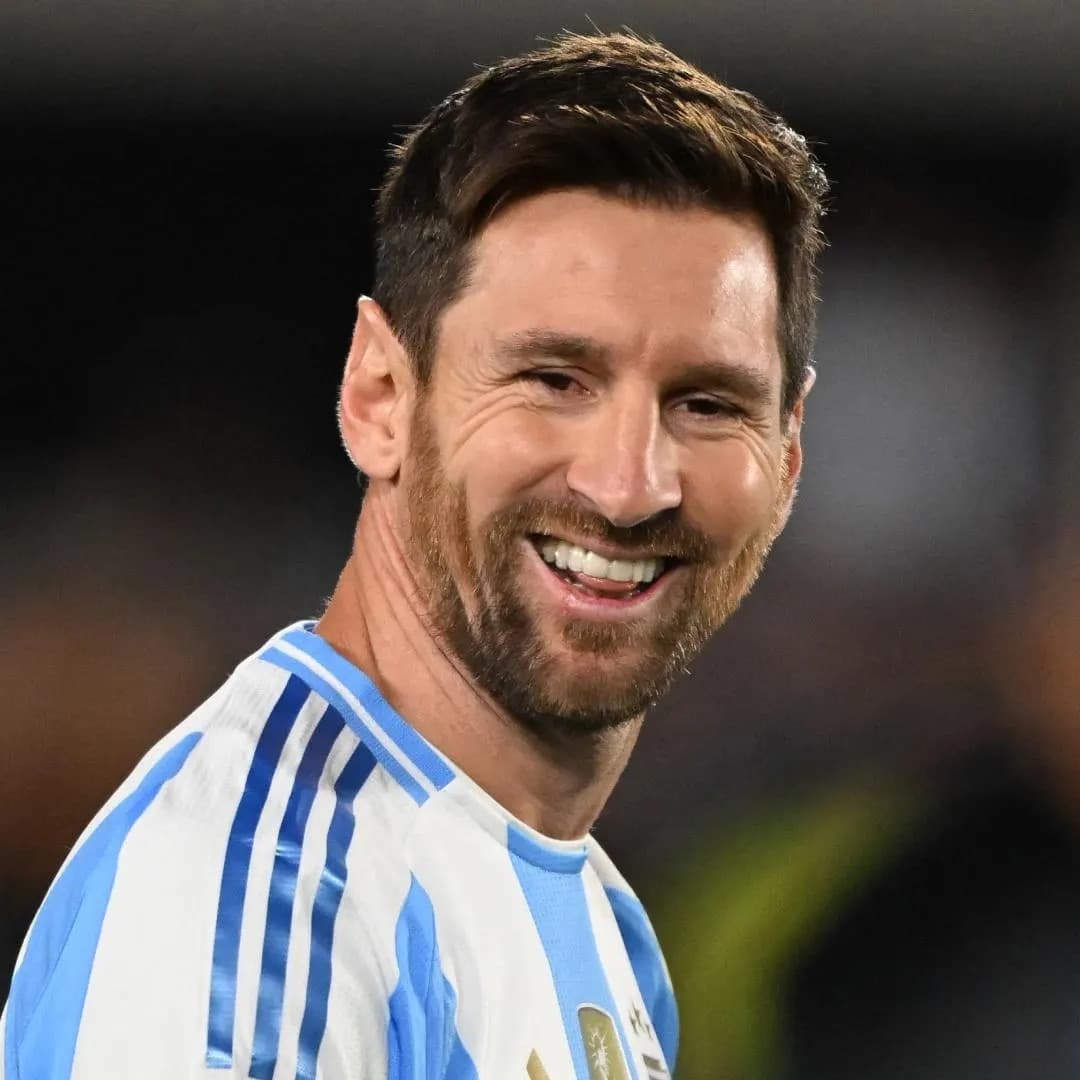
Lionel Messi is now worth an estimated 1.1 billion dollars, a milestone that places him among a very short list of athletes who have turned sporting greatness into a ten figure fortune. He joins LeBron James, Tiger Woods, and his longtime rival Cristiano Ronaldo as one of only four active players to reach billionaire status, a group defined as much by business instinct as by talent.
The number is striking, but the more interesting story sits underneath it. Messi did not stumble into this fortune late in his career. He built it in two distinct layers, first through some of the largest paychecks the sport has ever produced, and then through a widening portfolio of stakes and partnerships designed to keep earning once the goals stop.
The paychecks that started it all
Across his career Messi has earned roughly 1.2 billion dollars in on field income, a figure second only to Ronaldo among footballers. His peak years at Barcelona were extraordinary even by elite standards, with a single season around 2017 and 2018 delivering close to 177 million dollars in pay. Few contracts in any sport have matched that scale.
His move to Inter Miami reset the math in a new way. The guaranteed portion of his Major League Soccer deal sits at about 28.3 million dollars for the season, yet the real total runs far higher. Club owner Jorge Mas has said Messi actually takes home somewhere between 70 and 80 million dollars a year once revenue sharing arrangements are counted, a structure that ties his pay to the money he helps generate rather than a flat salary alone.
The endorsement engine
Off the field, Messi has pulled in more than 600 million dollars from endorsements and commercial ventures. The centerpiece is his lifetime agreement with Adidas, signed in 2017, which keeps him tied to one of the biggest names in sportswear for the rest of his life. He left Nike behind back in 2006, and the bet on Adidas has aged well.
Around that anchor sits a roster of blue chip partners, from Mastercard to Michelob Ultra to Lay's. These deals reward reach and reliability, two things Messi offers in rare supply, and together they turned his image into a revenue stream that rivals the earnings of most entire teams.