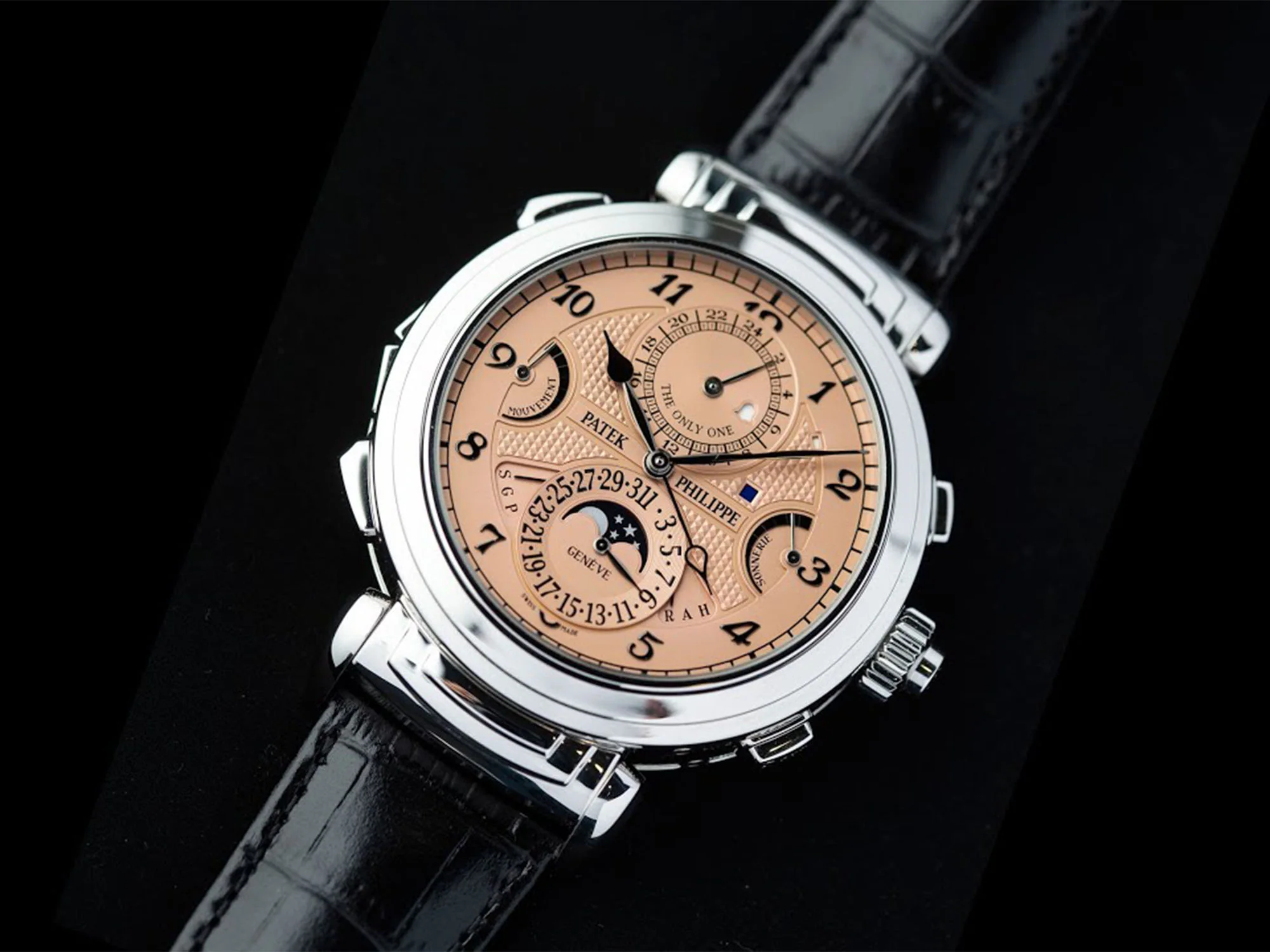
For years the seven-figure watch was a rare headline, the kind of result that came around once a season and made everyone gasp. In 2026 it became routine. At a single New York sale this spring, sixteen separate timepieces crossed the million-dollar line in one night. The million-dollar watch is no longer the exception at the top of the market. It is the entry fee.
The numbers are staggering
The totals tell the story better than any anecdote. Phillips' Geneva Watch Auction in May brought in roughly 96 million dollars across 225 lots, the highest-grossing watch sale ever held. Its New York counterpart pulled in 75.8 million, obliterating a record the same house had set only months earlier. These are not gentle year-over-year gains. They are step changes, and they keep arriving.
The independents have taken over
The most telling result was not a Patek or a Rolex. It was an F.P. Journe, a Chronometre a Resonance from the maker's early Souscription series, which sold for 13.92 million dollars. That made it the most expensive watch ever produced by an independent watchmaker and the most expensive 21st-century watch ever sold at auction. A wristwatch from a living, independent maker broke ten million for the first time, and the ceiling everyone assumed belonged to the heritage houses simply moved.
It was not a fluke. A Roger Smith sold for 1.2 million, a Kari Voutilainen for 1.8 million, names that mean everything to collectors and almost nothing to the wider public. The pattern is unmistakable. Money is flowing toward watchmakers who produce a few dozen pieces a year by hand, not the brands that produce hundreds of thousands.
Why the taste shifted
This is a change in what wealthy buyers actually want. For a long time the flex was a famous logo, a Patek or a Rolex that any stranger could clock across a room. Now the deeper flex is the opposite, an object only a handful of people on earth could even identify. Scarcity and visible, obsessive craftsmanship have become the premium, and the legacy giants, still beloved, are no longer the only ceiling. Vintage Patek remains royalty, with one example clearing 14 million, but it now shares the throne.
What it means if you are watching
For the ordinary enthusiast none of these pieces are reachable, but the signal matters anyway. The market is rewarding rarity, the human hand, and the long bet on names that may define the next era of collecting. The story of 2026 is not simply that watches got expensive. It is that taste at the very top quietly migrated from the boardroom-famous to the workshop-rare, and the prices are just the loudest evidence of where the money decided to go.