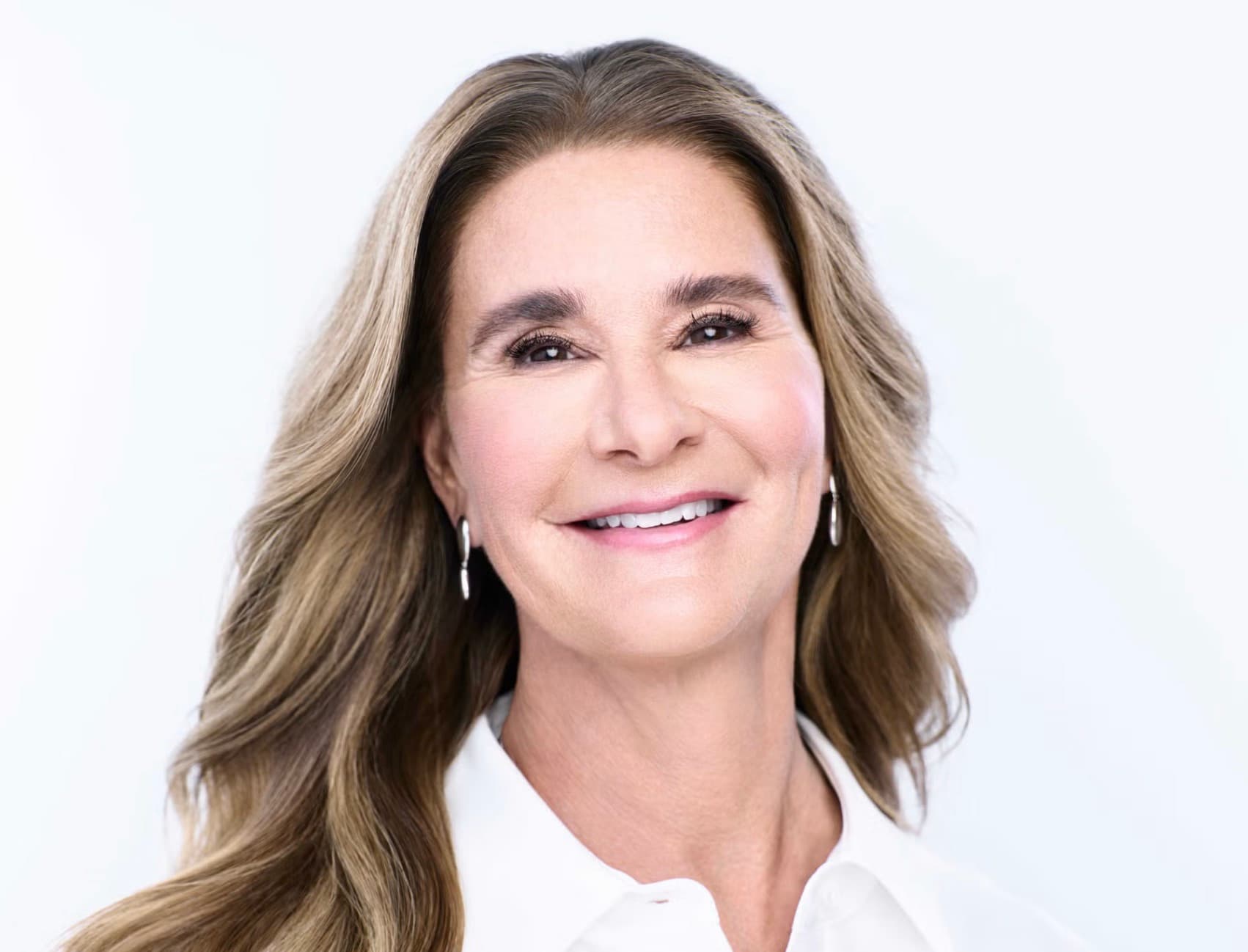
For most of modern medicine, the questions that shape women's lives have been treated as side notes. Menopause has gone under researched, mental health has been split off from maternal care, and millions of women have been left to manage their own bodies with too little information and too little support. Melinda French Gates is trying to change that math, and she is putting a large sum of money behind the effort.
Through Pivotal, the organization she founded in 2015 to speed up progress for women and families, French Gates has announced 215 million dollars in new funding aimed squarely at women's health. The commitment brings her total giving in this area to roughly 600 million dollars over the past two years, a figure that signals how central the cause has become to the next chapter of her work.
A new focus after the foundation
The pledge marks another step in a deliberate shift. French Gates stepped away from the Gates Foundation in 2024 after two decades helping build the organization she co founded, and she has since poured her energy into expanding Pivotal. Where the foundation cast a wide global net, Pivotal is narrower and pointed, built to move quickly on issues that touch women directly and that other funders have been slow to embrace.
That independence appears to be part of the point. French Gates has encouraged fellow philanthropists to give boldly and without fear, a message aimed at a moment when many wealthy donors have grown cautious about wading into contested territory. Her answer is to lead with conviction rather than wait for permission.
Where the money goes
The new funding concentrates on three stretches of a woman's life that rarely get the attention they deserve. The first is care during the reproductive years, when access to accurate information and reliable providers can shape decades of health that follow. The second is midlife, and specifically the long, poorly understood passage through perimenopause and menopause. The third is mental health, an area French Gates argues has been treated as separate from physical care when it should be woven into it.
Her early partners reflect that range. Wellcome Leap brings a research heavy approach to hard medical problems. The Menopause Society trains health care professionals to actually understand and treat a life stage that many were never taught to manage. Co Impact works to build mental health support directly into maternal care in communities around the world, so that a new mother's mind is treated with the same seriousness as her body.
The gap she wants to close
The through line in French Gates's argument is neglect. Menopause, she points out, has been under researched and underfunded for far too long, leaving both patients and providers in the dark. Many women reach midlife with almost no reliable guidance about what is happening to them, and many clinicians were never trained to help. The goal is to make sure women receive accurate information about perimenopause and menopause, and to make sure the people treating them actually know what to do.
Framed that way, the 215 million dollars is less a charitable gesture than a correction. It is money aimed at a blind spot that has persisted not because the science is impossible, but because no one with enough resources chose to look. French Gates is choosing to look, and she is inviting others with means to do the same. If the bet works, the payoff will not show up in a single headline. It will show up in exam rooms, in research labs, and in the quiet relief of women who finally get answers that should have arrived long ago.