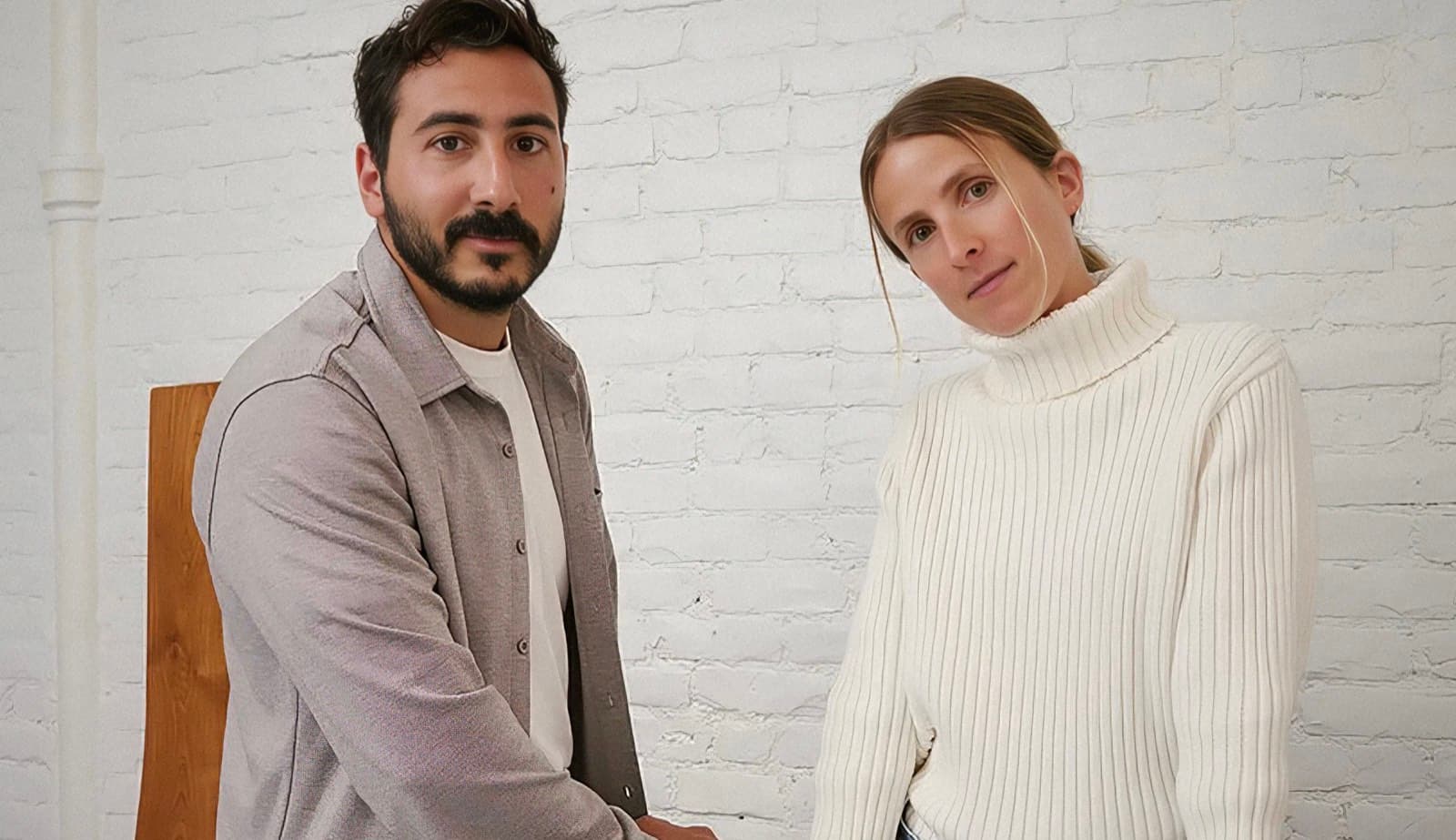
Some fashion brands are built on hype. Still Here was built on fit. Since Sonia and Maurice Mosseri founded the label in 2018, the husband and wife team have turned a simple idea, a jean made from 100 percent cotton that flatters without leaning on stretch, into one of downtown New York's quietest obsessions. There was no original plan to open stores at all. There was just a product people kept coming back for.
That product line is now a small canon. The Cool Jean with its drawstring toggle, the waistband free Sport Jean beloved by a certain kind of celebrity, and the plain Everyday Jean anchor a range that remains about 85 percent denim. The brand has never diluted that focus, and it is precisely the discipline that has made it a name worth knowing.
A bigger downtown home, and a first move out of town
This week Still Here reached two milestones at once. It opened its fourth New York location, a West Village space on Christopher Street that is its largest yet and will act as the brand's new downtown hub. Designed in house with the designer Jack McCready, the store is roughly four times the size of the original Nolita shop that started it all. And next month, for the first time in its history, the label will leave New York entirely, opening on Melrose Avenue in Los Angeles.
The numbers explain the confidence. Still Here now posts eight figure revenue, has grown tenfold over three years, and is doubling sales year on year. Around 80 percent of that comes directly from its own channels, split between retail and e-commerce, with the remaining fifth flowing through more than 200 boutiques. This year alone, direct orders are up 90 percent, online orders 136 percent, and in store sales 92 percent.
From a Barneys sellout to a store of their own
The path here was not smooth. The founders first tasted retail in 2019, when Barneys sold through 200 pairs in ten days. Then the department store went bankrupt, the pandemic arrived, and a hastily built online shop ran into painfully high return rates. The lesson pushed them toward bricks and mortar, and in the spring of 2022 they opened a permanent home on Elizabeth Street in Nolita. The change was immediate, and Maurice remembers the moment the model clicked.
Whoa, these sales are sticky.
Sonia describes the appeal of a small shop in the right neighbourhood as a kind of self selecting magic.
If you have a cool brand and great product in Downtown Manhattan with a small little shop, immediately people flock to it, because it's if you know, you know.