
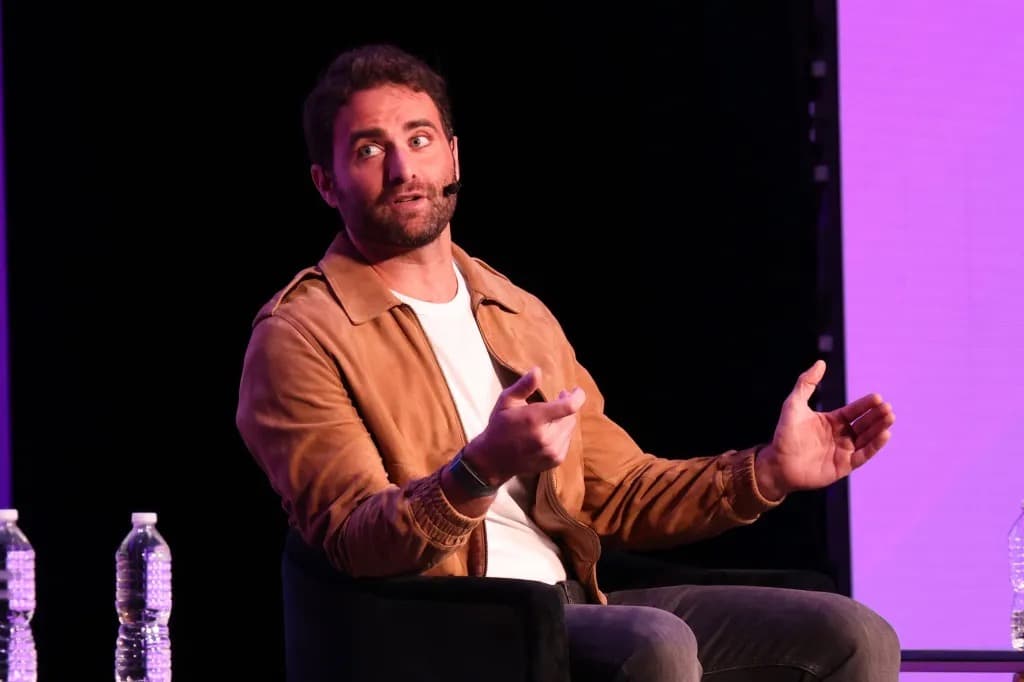
For decades the new year arrived with a predictable companion, the latest diet. Keto one winter, paleo the next, a parade of plans that food companies could set their calendars by. Peter Rahal, the founder and chief executive of David Protein, argues that whole cycle has quietly ended, and the reason is sitting in millions of medicine cabinets.
His verdict is blunt. Because of GLP-1 drugs, he says, diet trends are over. The point is not that people stopped wanting to change their bodies. It is that the tool they reach for has changed. No one is turning to a diet as the intervention anymore, in his telling. Everyone is turning to a prescription.
How GLP-1s rewrote the rules
The medications, which slow digestion and quiet appetite, are now used by roughly one in ten Americans, and the market for them is on track for around 82 billion dollars a year. That scale has consequences far beyond the pharmacy. When appetite suppression becomes a pill rather than a meal plan, the businesses built on meal plans lose their reason to exist. WeightWatchers, a name synonymous with dieting for generations, filed for Chapter 11 bankruptcy in 2025, undone in part by exactly this shift.
Rahal speaks with some authority on food cycles. Before David Protein, the bar and ice cream brand he launched in 2024, he built RXBar and sold it to Kellogg's for 600 million dollars. He has watched trends rise and fall, and he is convinced this one is different because it is medical rather than cultural.
The rise of proteinmaxxing
The drugs did not kill the appetite for self improvement, they redirected it. Because GLP-1 users eat less, they have to make every bite count, and the nutrient they cannot afford to skip is protein, which protects muscle as the weight comes off. The result is a craze Rahal has nicknamed protein capitalism, a market where protein stamped products crowd every shelf.