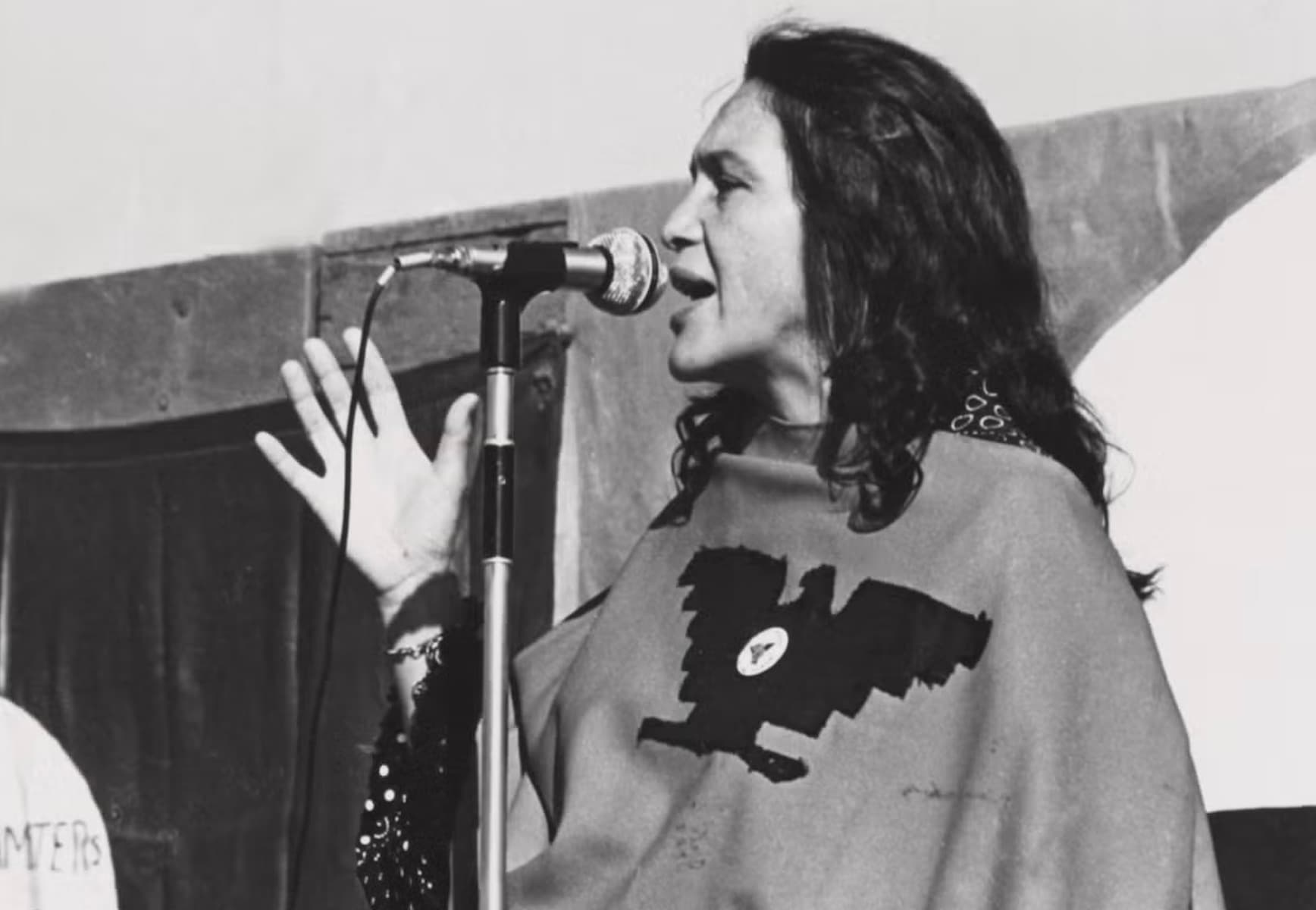
At nearly 96, Dolores Huerta is still working. The woman who helped build the American farmworkers' movement, who coined a phrase that became a national rallying cry, and who has been arrested more than twenty times for the causes she believes in, has no apparent interest in slowing down. If anything, the most consequential year of her late life may be the one she is living right now.
The organizer history almost forgot
Born in 1930 in a New Mexico mining town and raised in California's San Joaquin Valley, Huerta began as a schoolteacher. She left the classroom because she could not stand watching her students show up hungry and poorly clothed, the children of farmworkers who had no protection and no voice. In 1962 she co-founded the National Farm Workers Association, the group that became the United Farm Workers, alongside Cesar Chavez. For decades the union's story was told as his. The negotiating, the strategy, and much of the organizing were hers.
Three words that outlived the moment
In 1972, organizing in Arizona, Huerta answered a wall of doubt with a simple insistence. Si se puede, she said. Yes, it can be done. The phrase spread far beyond the fields, and decades later Barack Obama carried its English translation, yes we can, to the White House. Few activists ever produce a single line that lodges itself permanently in a country's language. Huerta produced one almost in passing.
A life measured in honors and arrests
The recognition eventually caught up with the work. She received the Presidential Medal of Freedom in 2012, became the first Latina inducted into the National Women's Hall of Fame, and has collected honorary doctorates along with schools, streets, and murals bearing her name across the West. None of it came easily. She was jailed repeatedly and seriously injured by police during a 1988 protest. The honors are real, but so is the cost behind them.
Breaking a sixty-year silence
In March 2026, Huerta did something that recast her own story. She disclosed that she had been sexually abused by Chavez, the man the movement had mythologized, and that she had carried the secret for sixty years to protect the cause they built together. I channeled everything I had into advocating on behalf of millions, she said of the choice to stay quiet. My silence ends here. The revelation forced an uncomfortable reckoning with how movements are remembered, and who pays the private price for their public victories.
Still in the fight
What is remarkable is that the disclosure has not eclipsed her work, it has run alongside it. Through the Dolores Huerta Foundation she continues to organize around race, poverty, and women's issues, and she has remained politically active into her mid-nineties. Her late-life testimony and her ongoing advocacy are, in the end, the same gesture. Both insist that the people history overlooks deserve to be heard, including, at last, herself.