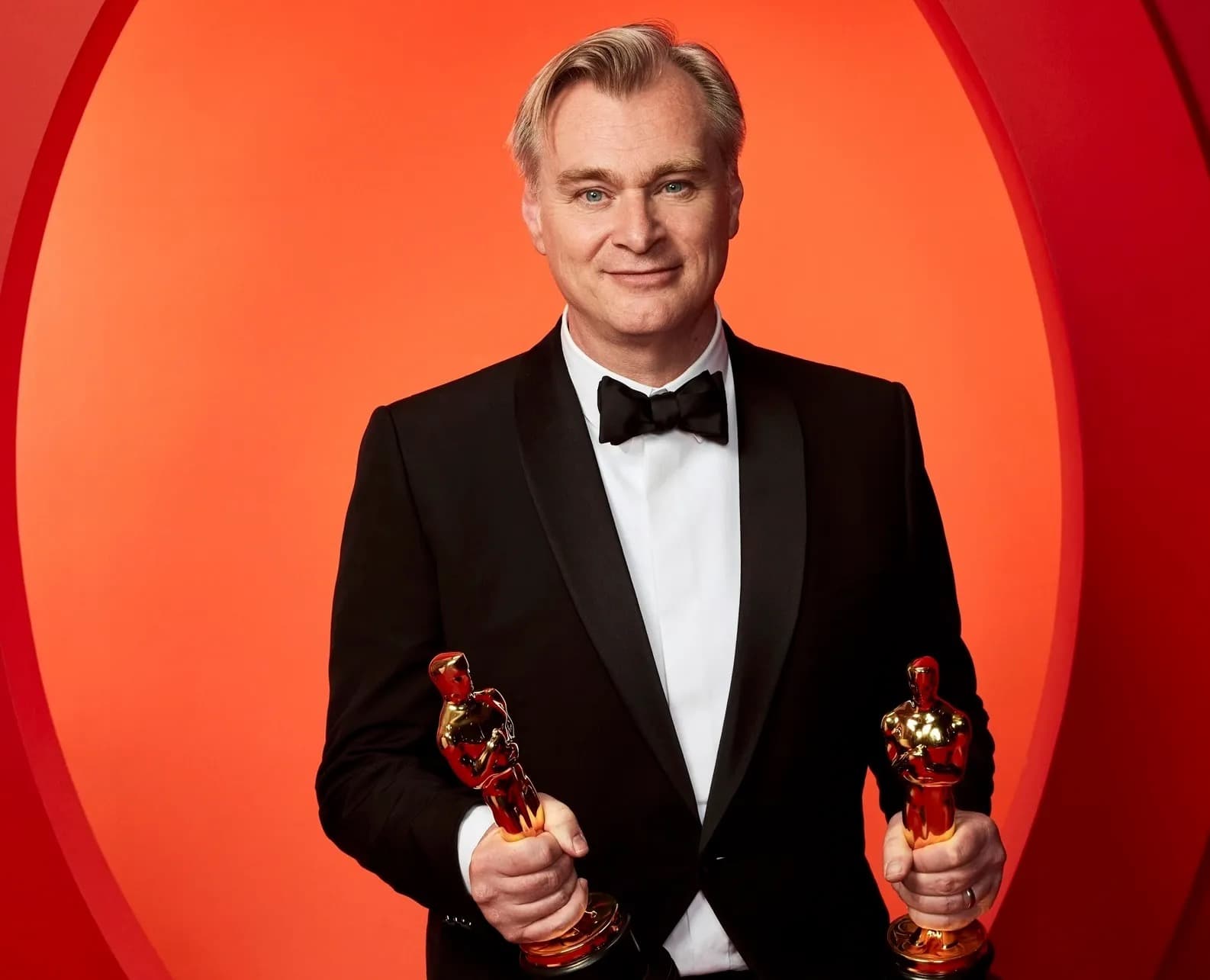
For most of a century, the marquee belonged to actors. A studio bought a face, put it on a poster, and trusted that audiences would follow it into the dark. That arrangement has been fading for years, yet one name has quietly inherited the pull it used to carry. Christopher Nolan is no longer just a respected director. He has become the rarest thing in modern film, a person whose credit alone is enough to sell a ticket.
The clearest proof arrives with his next picture, an adaptation of Homer's Odyssey that Universal is treating less like a gamble and more like a sure thing. A full year before it reaches screens, roughly 70 percent of surveyed moviegoers said they intended to see it. For comparison, a heavily marketed sequel to one of the highest grossing franchises ever managed around 45 percent over the same window. The difference is not the story or the cast. It is the man behind the camera.
A deal built for a movie star, handed to a director
The terms of the arrangement read like something from the golden age of on screen talent. Universal paid Nolan a reported 20 million dollars before a single frame was shot, then attached him and his producing partner and wife, Emma Thomas, to a slice of the studio's box office receipts. Their combined cut sits around 20 percent, split between them. If the film climbs to 800 million dollars worldwide, a figure analysts consider realistic, the couple could take home more than 75 million dollars.
That kind of profit participation was once reserved for the biggest names in front of the lens. Handing it to a filmmaker is a statement about where the value now lives. The studio is not buying a performance. It is buying a promise about quality, scale, and reliability, and it believes Nolan is one of the very few people who can deliver all three at once.
The Oppenheimer effect
None of this materialized overnight. It rests on a track record that keeps paying off, and most recently on Oppenheimer, a dense three hour drama about the making of the atomic bomb that had no obvious commercial hook. It earned close to a billion dollars and, by industry estimates, put roughly 85 million dollars in Nolan's pocket through his own back end deal. A film that should have been a hard sell instead became a cultural event, and it proved that his audience will show up for ambition rather than familiarity.