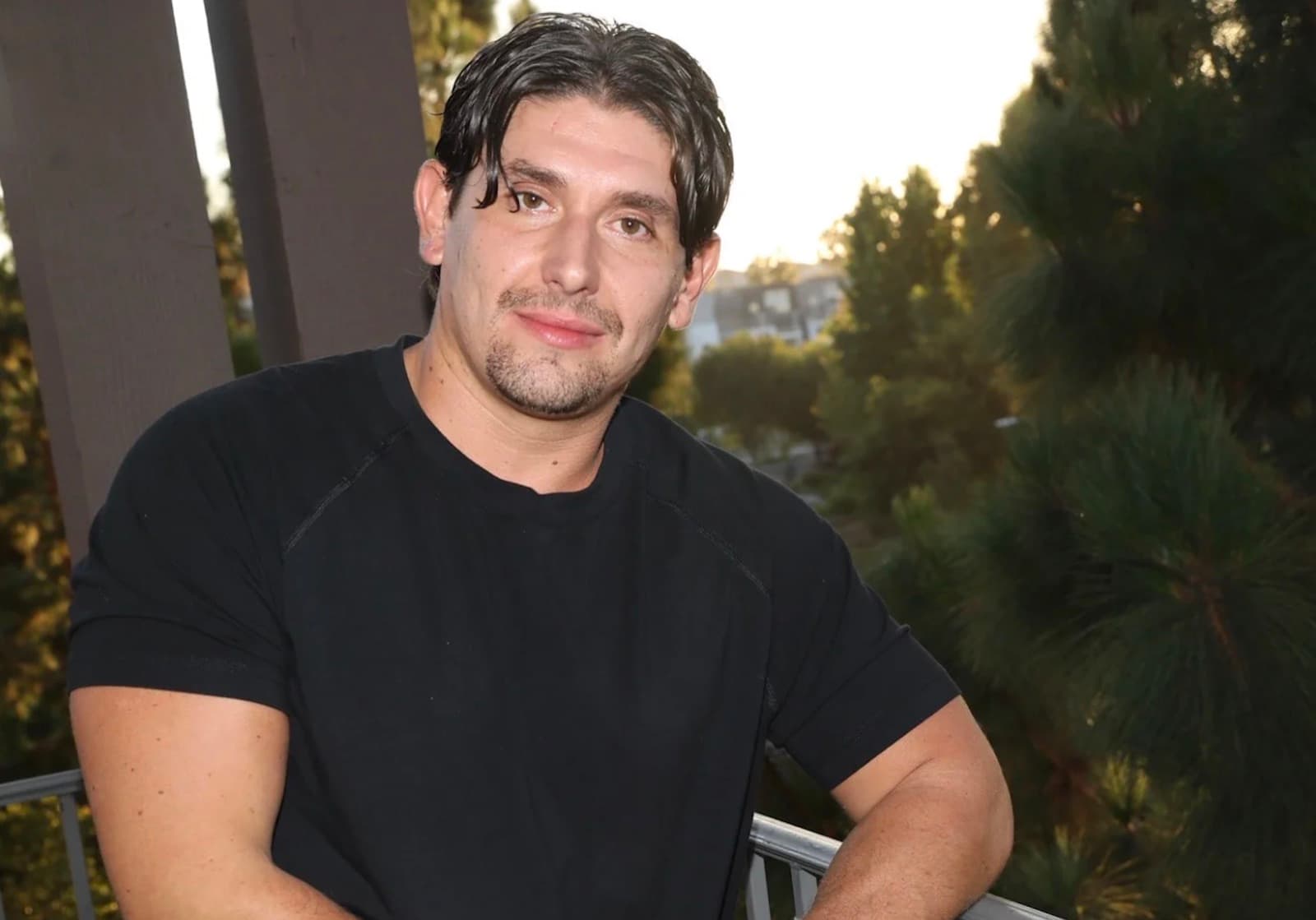
Most luxuries lose their value the moment you walk out of the store. A fine mechanical watch, Alexander Spellane argues, can do the opposite. The entrepreneur and investor has spent years assembling a collection built on a simple conviction, that the objects worth owning are the ones you can wear on your wrist and still count as an asset.
It is a philosophy he sums up in a single line that doubles as his thesis on modern wealth.
Luxury watches aren't just about telling time. They're wearable assets. You can enjoy them every day while owning something that has the potential to preserve value over decades.
A collection built on patience, not hype
Spellane's holdings read like a short list of the pieces collectors quietly covet. Among them are an Audemars Piguet Royal Oak Selfwinding Chronograph in 18 karat pink gold with factory set diamonds, and a Rolex Day-Date 40 in 18 karat yellow gold finished with a diamond set bezel and a champagne diamond dial. What links them is not flash but staying power.
He is dismissive of buying whatever happens to be fashionable at any given moment, and frames every purchase as a bet on the distant future rather than the current feed.
I don't buy watches because they're trendy. I buy pieces that I believe people will still want twenty or thirty years from now.
Why the value holds
Ask Spellane why certain watches keep their worth and he points first to scarcity. The most respected houses, he notes, have long resisted the temptation to flood the market whenever demand spikes, choosing measured production over easy volume. That restraint, in his reading, is exactly what protects a piece long after it leaves the boutique.
The second factor is trust, the kind that takes generations to build. He is blunt about how rare that is.
When you hear the word Rolex, every generation understands what it represents. Very few brands have built that kind of trust.
Then there is the craftsmanship itself, which he treats as the part no algorithm can reproduce. Looking at the movement of his Royal Oak, he says, is a reminder that skilled human hands, not machines alone, made the thing possible.
Every time I look at the movement or the finishing, I'm reminded that hundreds of skilled craftsmen helped create something extraordinary. There's an artistry to mechanical watches that technology can't replace.
Wearable, but still an asset class
Spellane is careful to place watches in the same conversation as gold, fine art, and rare cars, the tangible holdings that investors reach for when they want something they can touch. The difference, he says, is that a watch earns its keep every single day it is worn, while pieces of real pedigree have shown a stubborn resilience on the secondary market that mass produced goods never manage.
Still, he is quick to warn against treating a watch purely as a trade. His advice to newcomers is almost the opposite of a stock tip.
I always tell people to buy something they genuinely love wearing. If it appreciates over time, that's a bonus. But if you enjoy it every day, you've already won.
The same rules as building a company
For Spellane, collecting and entrepreneurship run on identical logic. The brands that guard their standards instead of chasing scale, he argues, are the ones that survive, and the parallel to running a business is not lost on him.
The brands that protect quality instead of chasing volume often become the brands that endure. That's true whether you're building a business or collecting assets.
There is a personal dimension too, one that reaches past any spreadsheet. Spellane sees the collection less as a portfolio than as an inheritance, objects that will outlast him and carry a story forward.
Someday these won't simply be my watches. They'll become part of my family's story.
That long view is what he keeps returning to. Markets move, tastes shift, and the newest thing is always about to be replaced by the next newest thing. A well made watch, in his telling, sits outside all of that, which is why he sounds so unbothered by whatever is fashionable this season.
Trends come and go. Great watchmaking doesn't.
It is worth remembering that no watch is a guaranteed return, and value on the resale market depends on condition, authenticity, availability, and the mood of collectors at any given moment. But Spellane's larger point is harder to argue with. If you are going to park money in something, there are worse fates than an asset you get to wear to dinner.