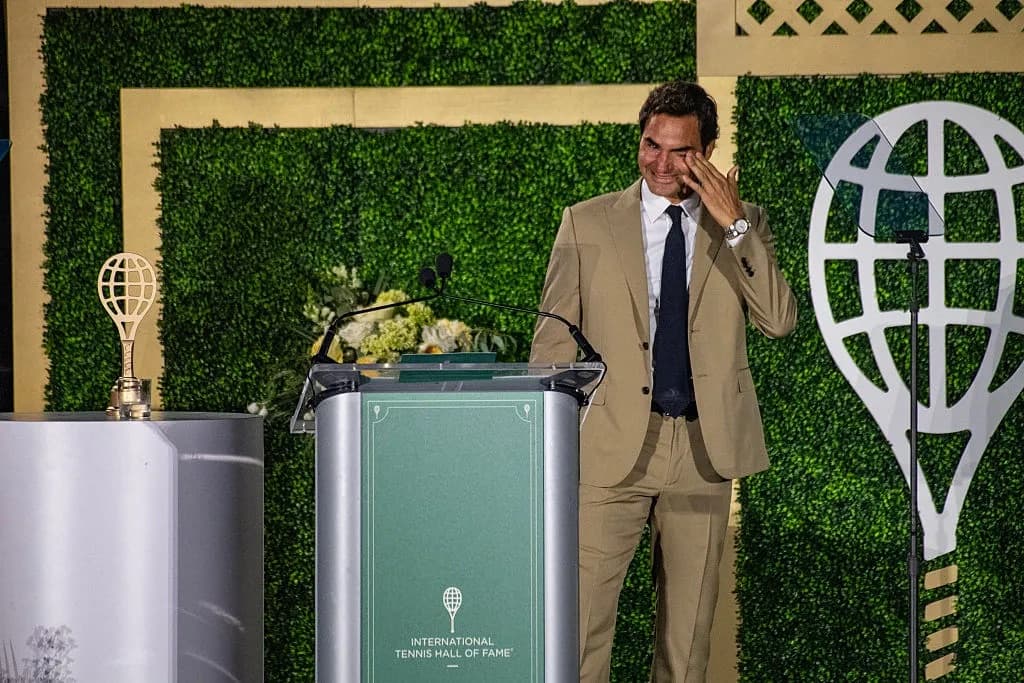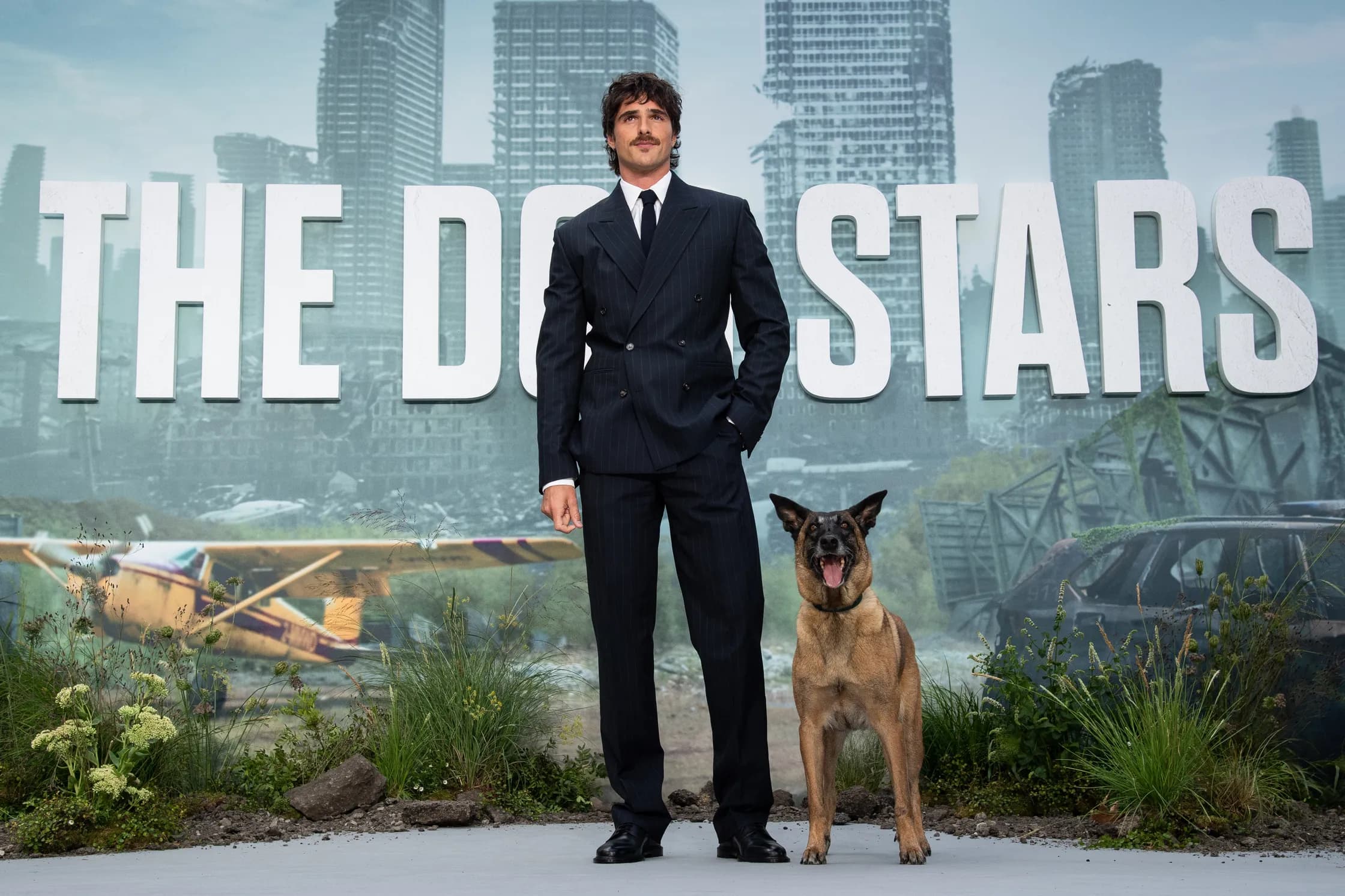
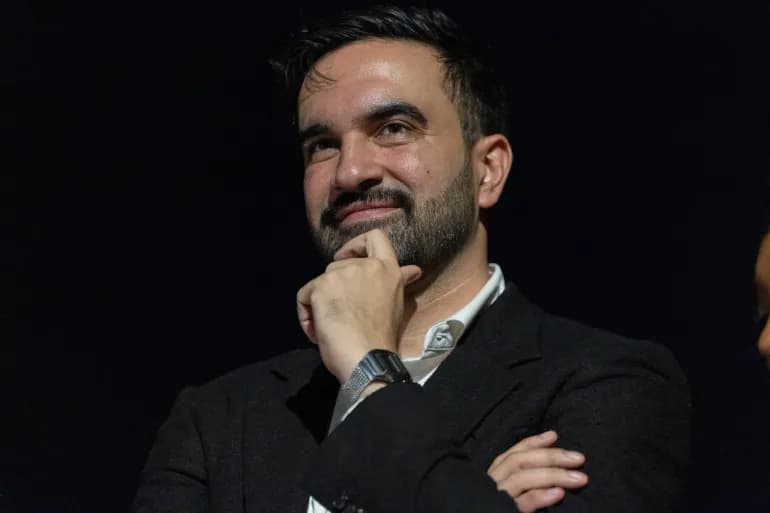
Back in 2018, when North America was awarded the right to co-host the 2026 World Cup, a then little-known organizer in New York reportedly started telling anyone who would listen that he intended to be at as many matches as humanly possible. Friends teased him about the fixation. Eight years later, that organizer runs the city hosting the final — and the obsession has quietly become part of the job description.
Zohran Mamdani is not a politician performing interest in sport for a photo op. He is an Arsenal supporter of the suffering, superstitious variety, a shareholder in the Spanish club Real Oviedo, and an unapologetic FIFA video-game player. Days after being sworn in this January, he hosted a watch party for the Africa Cup of Nations final. The fandom predates the office by a long way, and it shows.
Mayor first, supporter always
The tension at the center of Mamdani's summer is simple: he is both the host and the fan who would rather be in the stands. MetLife Stadium across the river is staging eight matches, including a marquee group-stage fixture on June 27 and the tournament final on July 19 — the kind of calendar a younger Mamdani would have built a vacation around. Now he has to make sure the trains run, the crowds move, and the city looks good doing it.
Asked about the pressure of pulling it off, he reached, naturally, for football. He invoked Mario Balotelli's famous explanation for never celebrating his goals — that scoring was simply his job, the way a postman does not celebrate delivering the mail — and applied it to New York. The city, he suggested, would not be throwing itself a party for hosting the World Cup successfully, because hosting it well is "only doing our job." It is a very on-brand piece of deflection: equal parts civic humility and terrace humor.
Watching from the cheap seats, governing from City Hall
What makes Mamdani an unusual host is that he keeps looking at the tournament from the supporter's point of view rather than the sponsor's. When FIFA moved to restrict fans from bringing their own water into stadiums, he called the change "concerning" and said he would take it up with the organizers directly. After the policy was reversed, he framed the win in plainly populist terms.
"I'm glad that FIFA decided to reverse this policy and allow water bottles to be brought into World Cup games," he said. "No one should have to fear being priced out of being hydrated, especially fans who are often waiting for hours before a game in extreme heat." It is the rare instance of a head of a host city siding instinctively with the queue outside the turnstiles.
The fight over who the tournament is for
That instinct has put him on a collision course with the economics of the modern game. Mamdani has publicly blasted World Cup ticket pricing as "absurd," singling out final seats reported to run into the thousands of dollars at a stadium sitting in the metropolitan area he governs. His argument is less about any single match than about a principle: a tournament staged in working people's cities should not price working people out of attending. Whether a mayor can do much about FIFA's revenue model is another question — but the framing is unmistakably his.
The superfan in power
Mamdani represents a relatively new archetype: the genuine sports obsessive who ends up holding real power, and refuses to file the fandom away as a youthful indulgence. The appeal is obvious — authenticity is currency, and a leader who can talk about Arsenal's defensive frailties as fluently as transit budgets reads as recognizably human. The harder test is whether that fan's-eye view actually translates into fan-friendly decisions once the cameras move on. For one month this summer, with the world's biggest tournament parked on his doorstep, New York gets to find out in real time.