On paper, it was a triumph. Adidas closed its second quarter of 2026 with record net sales of 6.7 billion euros, a rise of 14 percent in currency neutral terms, powered by a World Cup summer that put its three stripes on shirts, screens, and city streets around the globe. By almost any measure a business could ask for, the quarter was a hit.
The market saw it differently. Within hours of the report, Adidas shares tumbled more than 18 percent, a fall that, if it held, would rank as the sharpest single day decline since the company went public in November 1995. The gap between a record top line and a collapsing share price is the whole story of this quarter, and it comes down to what it cost to win.
The price of a World Cup
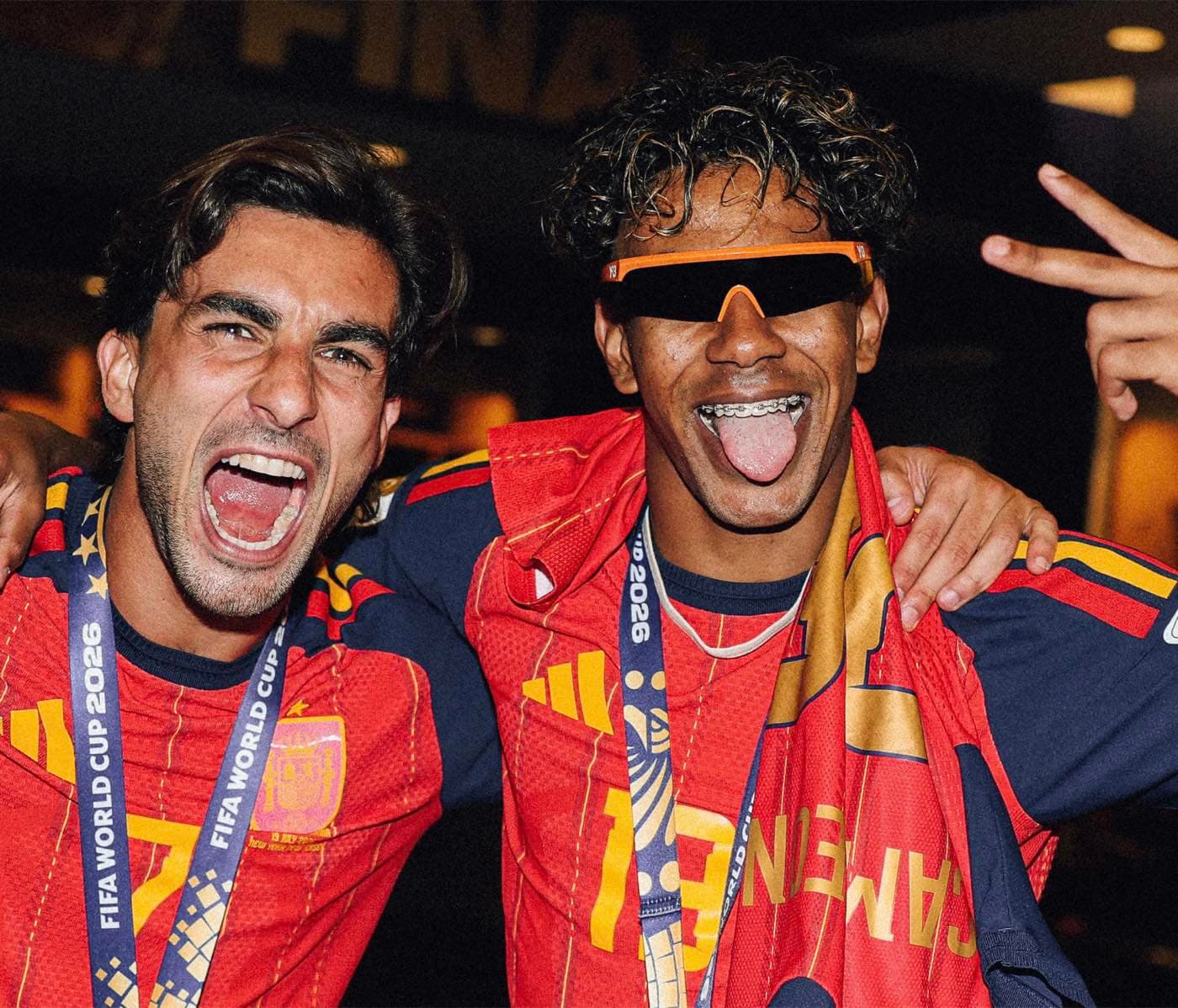
Winning big at a World Cup is expensive. Adidas poured money into the tournament, spending 212 million euros more on marketing than it did in the same stretch a year earlier, with its total World Cup bill climbing past 900 million euros. That investment did exactly what it was supposed to do at the register. Fans bought close to 18 million jerseys across the tournament cycle, and demand for team kit ran hot from the group stage to the final.
The trouble is what all that spending did to the bottom line. Operating profit rose just 5 percent to 574 million euros, well below the 623 million that analysts had penciled in. In other words, Adidas sold more than ever before and still earned less than the market wanted, because the cost of driving those sales ate into the margin. For investors trained to watch profit rather than applause, that was enough to hit the sell button.
A stronger outlook, with an asterisk
The picture is not as grim as the share price suggests. Buoyed by the strength of the quarter, Adidas lifted its full year revenue guidance, and now expects currency neutral sales to grow between 9 and 10 percent, up from an earlier forecast of high single digit growth. At the same time it held its full year operating profit target steady at roughly 2.3 billion euros, a signal that management sees the World Cup splurge as a one off rather than a new baseline.
There is also a wildcard sitting outside those numbers. The company noted that its guidance does not count any benefit from potential United States tariff refunds, money it estimates at somewhere between 250 and 300 million dollars if it is ever recovered. Should those funds come back, they would land as a bonus on top of the current plan rather than something already baked in.
Records and expectations rarely move in step
What the quarter really exposes is the distance between a great business result and a happy stock. Adidas has arguably never been more visible or more in demand, riding a brand moment that most rivals would trade a great deal for. The World Cup delivered exactly the surge in relevance the company paid for, and the full year forecast now looks healthier because of it.
Yet the market rewards efficiency, not just energy, and a profit miss during a boom is the kind of thing that unsettles investors who worry about how much every future high will cost. For Adidas, the challenge from here is straightforward to describe and hard to pull off. It has to prove that the attention it bought this summer can keep paying out long after the tournament crowds have gone home.