
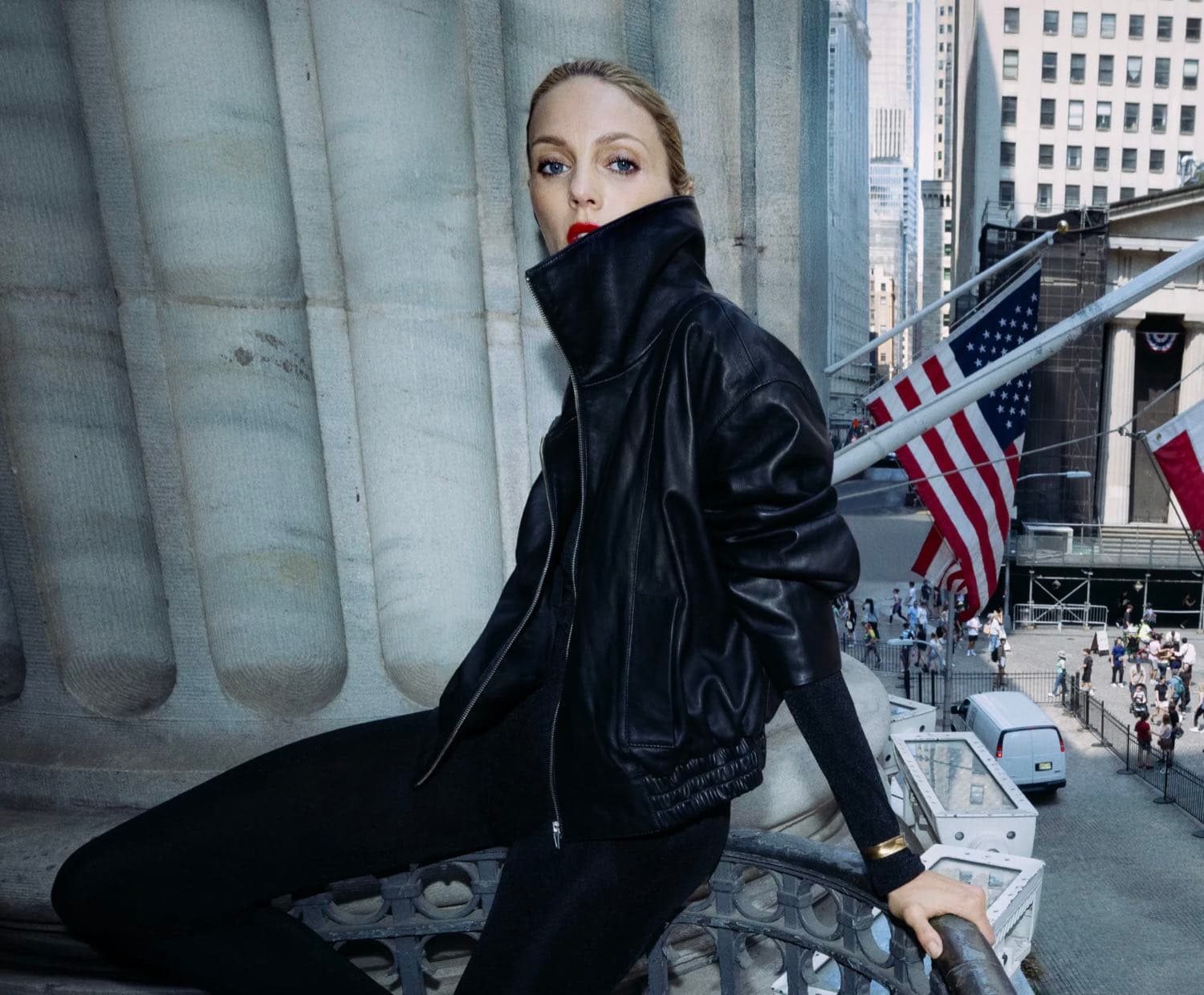
Few fashion labels have made the jump from cult favourite to publicly traded company as cleanly as Reformation just did. The brand best known for slinky dresses and a loud commitment to sustainability listed on the New York Stock Exchange under the ticker REF, pricing its shares at 15 dollars and raising close to 211 million dollars in the process. The offering handed Reformation a market value of roughly 886 million dollars, a serious number for a business that started life selling secondhand clothes out of a single storefront.
It was not a flawless landing. The company had spent its roadshow floating a target closer to 1 billion dollars, so an 886 million dollar valuation counts as a trim rather than a triumph. The stock then opened at exactly its offer price of 15 dollars and went essentially nowhere on day one, a flat debut that suggests investors like the story but are not yet willing to pay a premium for it.
From a vintage shop to the trading floor
The distance Reformation has travelled is the most striking part. Founded in 2009 as a small vintage boutique in Los Angeles, it grew into what it now bills as the largest sustainable brand designing and selling women's apparel and accessories. Along the way it built a devoted following by pairing of the moment silhouettes with an environmental message, a combination that turned an eco pitch into something genuinely aspirational rather than worthy.
Crucially, it did so mostly on its own terms. Around 90 percent of its 2025 revenue came straight from its own channels rather than department stores or wholesalers, a direct to consumer model that keeps the brand close to its customer and its margins under its own control. That independence is a big part of what made it attractive to the public market in the first place.
The numbers behind the debut
The financials help explain the confidence. Reformation posted 507.1 million dollars in net revenue for 2025 and, by the first quarter of 2026, had strung together 20 consecutive quarters of double digit growth. Five straight years of expanding by double figures is the kind of consistency that gets a company through the door on Wall Street, even in a fashion market where plenty of names have stumbled.
The ownership picture is worth noting too. The private equity firm Permira is expected to hold around 49 percent of the shares after the listing, while a family trust tied to founder Yael Aflalo keeps roughly 20 percent. In other words, the float sells a slice of Reformation to the public while control stays firmly with the backers who built it up.
What comes next
The plan from here leans on bricks rather than clicks. Reformation says it intends to more than double its current store count over the next five years, a notable bet for a brand that made its name online. Physical retail gives it room to reach shoppers who want to touch the clothes, and it is the clearest lever the company has to justify its new valuation and grow into it.
That is the real challenge of going public. The applause of a listing day fades quickly, and what replaces it is the quarterly grind of proving that growth can continue under a brighter, less forgiving spotlight. Reformation spent 17 years turning a resale rack into a household name. Now it has to show that the same instincts can satisfy a market that measures everything, and forgives very little.