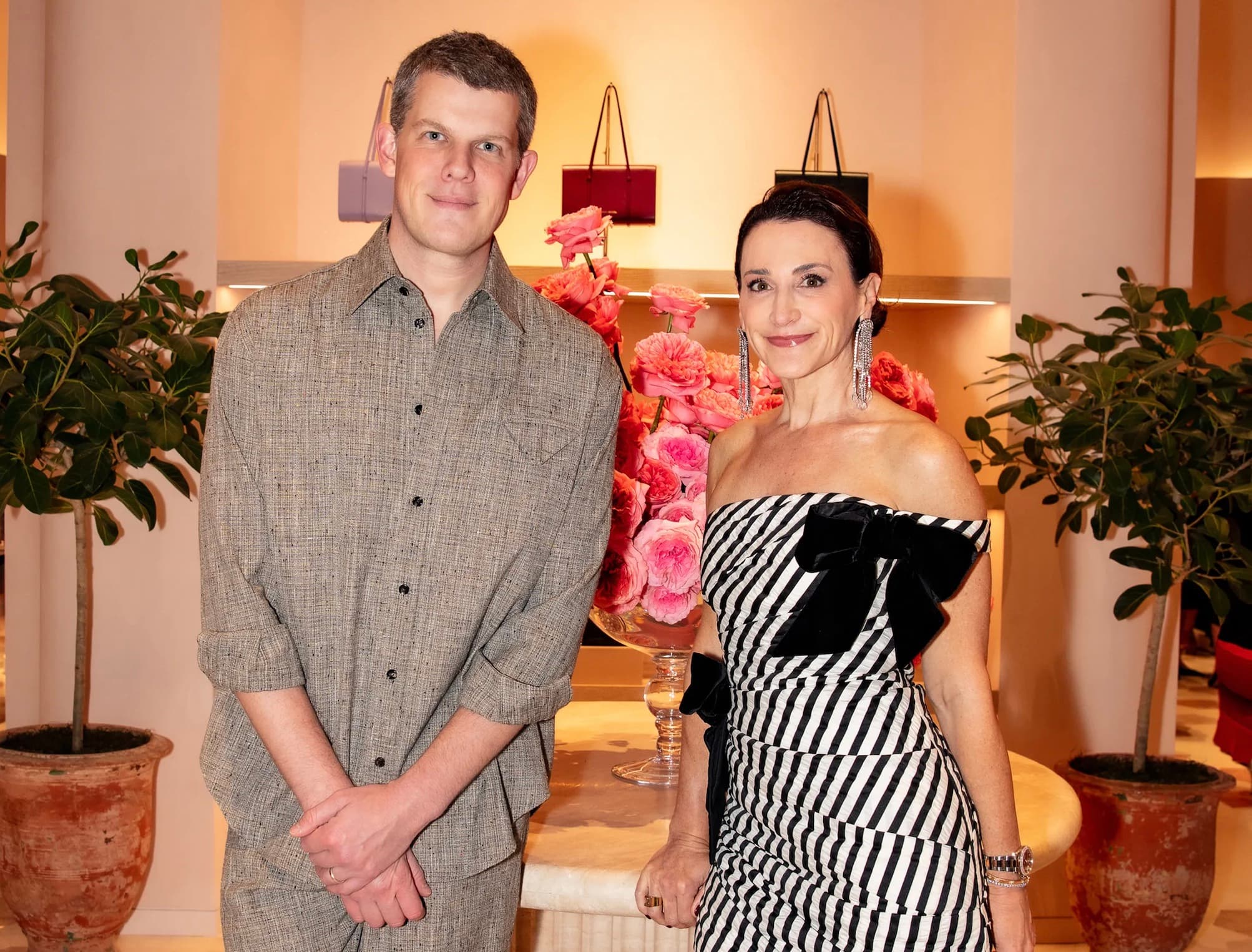
Fashion has a long, well documented history of founder successions going badly, brands that lose their identity, sales that slide, and creative directors pushed out within a couple of seasons. Carolina Herrera's handoff to Wes Gordon has become the exception worth studying, an eight year run that has left the label healthier than when Herrera herself walked away from the runway.
A founder who actually let go
The transition worked in large part because Herrera treated her own exit as final rather than symbolic. She named Wes Gordon creative director in 2018 after a year of working with him as a creative consultant, then stepped back completely, refusing to hover over the collections that followed. Gordon has described the arrangement in blunt terms, saying Herrera made clear she was not coming back the day after her final bow, leaving him to sink or swim on his own. That kind of clean break is rare in an industry where founders often keep one hand on the wheel long after handing over the title.
Modernizing without erasing the DNA
Gordon's other advantage was restraint. Rather than rebuild the house around his own name, the way some successors treat a legacy label as a blank canvas, he built his tenure around preserving Carolina Herrera's bold, instantly recognizable codes, the crisp tailoring, the volume, the confident color, while updating the silhouettes and pairing them with a client base that skews younger than the label's traditional society customer. The house kept the elegant but bold woman who has always shopped there while adding modern muses like Meghan Markle, Demi Moore, and Pamela Anderson to its cultural footprint, proof that heritage and relevance did not have to trade off against each other.
The numbers back up the story
Eight years in, the results are showing up on the balance sheet rather than just the runway. Carolina Herrera posted double digit revenue growth in the first half of 2026, comfortably outpacing the 4.4 percent like for like growth logged across its parent company Puig overall. Part of that lift has come from a broader cultural swing back toward what commentators have taken to calling the ladies who lunch aesthetic, tailored, polished, unapologetically feminine dressing that Carolina Herrera never really stopped making even when the wider industry drifted elsewhere.
A milestone year on top of a milestone tenure
The timing adds another layer to the story. 2026 marks both the label's 45th anniversary and the 10th anniversary of its Good Girl fragrance, giving the brand two built in reasons to celebrate in the same year that its succession plan is being held up as a template for the rest of the industry. For a business built almost entirely around one woman's name and personal aesthetic, turning that name into an institution that outlives its founder's daily involvement, without losing what made it distinctive in the first place, may be the harder trick than launching the label ever was.