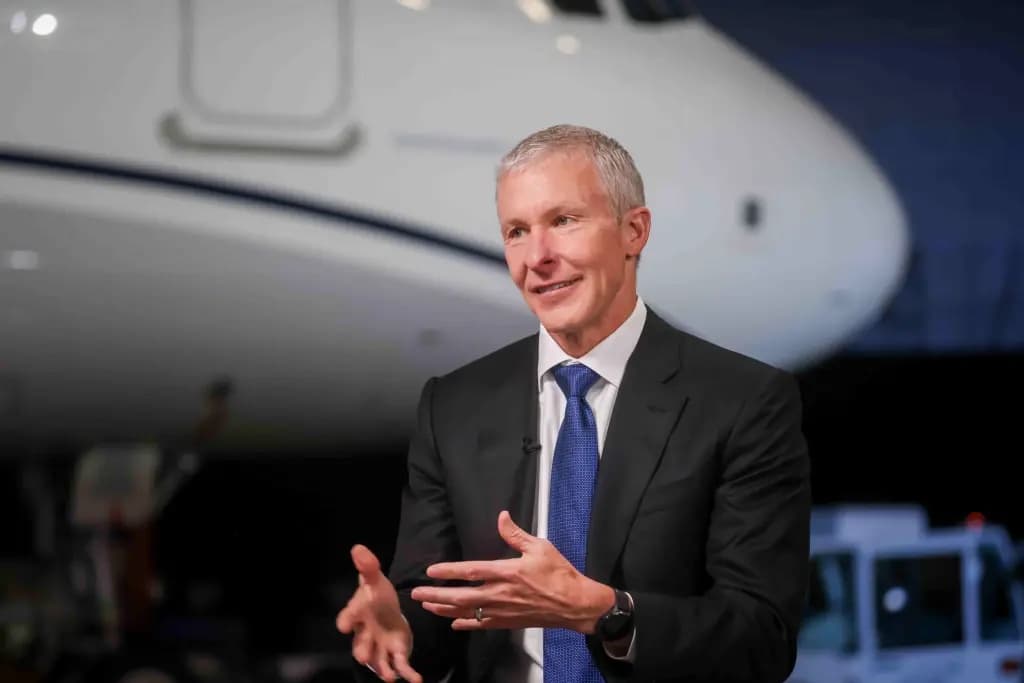
United Airlines CEO Scott Kirby runs his calendar the way most executives manage a budget, with a hard ceiling. He caps meetings at four hours a day, no matter how full the request list gets, and treats the rest of his working hours as protected time for something most corporate schedules squeeze out entirely, uninterrupted thinking.
No decks, no readouts
Kirby's meeting rule extends past the clock and into the room itself. He has told his team plainly that he does not want anyone reading through a slide deck out loud during a meeting. If you want to send a deck, send it to me in advance, he has said, and then we are just going to talk about it, but you are not going to read slides to me. The distinction matters, a meeting built around discussion forces people to have already formed a point of view before they walk in, while a meeting built around a readout lets a room coast through a presentation without anyone actually being tested on their thinking.
Three hours of reading a day
The time that rule frees up goes largely into reading. Kirby spends roughly three hours a day working through print, enough to get through about five magazines and two books a week on top of a daily habit of reading The Wall Street Journal cover to cover, followed by The New York Times. He wakes naturally around 5:30 in the morning without an alarm after roughly eight and a half hours of sleep, checks email briefly, and then moves straight into reading and exercise before the workday's meetings even start.
Naps on the office floor
The routine also includes something few executives would admit to on the record, a 20 minute nap on his office floor when he needs one. Kirby has been open about the habit and dismissed any suggestion that it signals a lighter workload, arguing that the nap does not mean he has accomplished any less over the course of the day, just that he has structured the day around when his mind actually works best rather than around a conventional nine to five block of meetings.
Thinking hard instead of working hard
Kirby has a specific theory behind all of it. The further you go in your career, he has said, certainly by the time you are the CEO, your job is not to work hard, it is to think hard. He describes his real function at United as staying focused over the horizon, watching for what is coming that no one else sees yet, a job that is nearly impossible to do inside a calendar packed wall to wall with status updates. For an airline industry where a single overlooked shift, in fuel costs, travel demand, or competitive pricing, can move earnings by billions, that kind of protected time to think may be less of an executive indulgence than it looks and more of a genuine competitive advantage.