
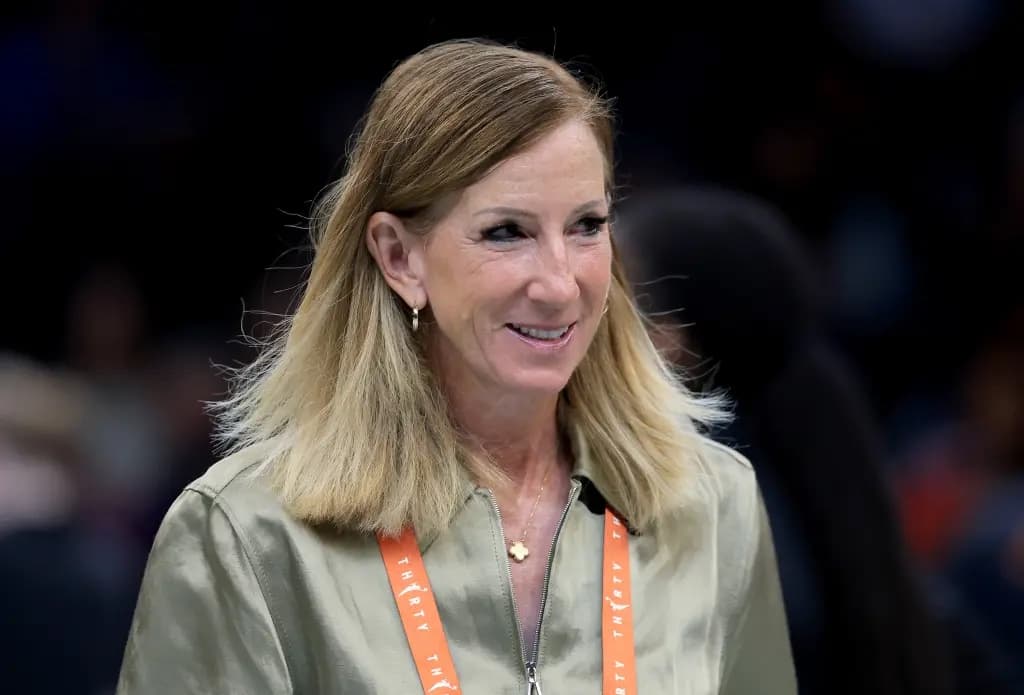
Cathy Engelbert, the WNBA's first commissioner, will step down at the end of the 2026 season, closing out a tenure defined as much by explosive business growth as by open conflict with the players whose league she ran. Her departure caps roughly seven years in the role, a period that reshaped the WNBA's finances even as it left plenty of friction behind.
The growth numbers are real
By almost every commercial measure, the league Engelbert leaves behind looks nothing like the one she inherited. Television viewership, game attendance, corporate sponsorship, and franchise valuations all climbed sharply during her tenure. She oversaw an expansion plan that will take the league from 12 teams to 18 by 2030, and helped negotiate a new collective bargaining agreement earlier this year that delivered the largest pay increases in WNBA history. On paper, those are the kind of results that would define a successful commissionership in almost any sports league.
Where the criticism came from
The on court and locker room reaction to her leadership was far less generous. Minnesota Lynx star Napheesa Collier used a press conference last year to deliver a pointed public rebuke of Engelbert, criticizing the league's handling of game officiating and what she described as a failure to properly support a new wave of star players, including Caitlin Clark and Angel Reese, whose popularity has driven much of the league's recent commercial surge. The complaint that stuck was less about any single decision than a broader sense that the business side of the league was moving faster than its ability, or willingness, to manage the people playing the games.